- Reports of another likely ballistic missile interception near Ali Al Salem Airbase, Kuwait
- Japan Q1 capex growth stalls at near zero, raising risk of GDP revision lower
- ECB's Schnabel says Iran war inflation too broad to look through, flags rate hikes
- China tightens outbound investment rules to curb technology and data transfers
- Rubio pushes Lebanon ceasefire but US says Hezbollah blocked deal on Iran's orders
- Is Palantir a Buy?
- China May private survey Rating Dog Manufacturing PMI 51.8 (expected 51.4, prior 52.2)
- Reports of Iran drafting its own deal amendments as Tehran pushes back on Trump's terms
- PBOC sets USD/ CNY reference rate for today at 6.8167 (vs. estimate at 6.7643Z)
- Nasdaq technical analysis today at investingLive.com
- Japan manufacturing PMI eases to 54.5 in May. Cost pressures hit 32-month high
- Powell warns Fed independence at risk if officials can be removed over policy
- Bitcoin Futures Analysis Today: BTC Stalls Below 74,535
- Japan Capital Spending Q1: 0.0% y/y (expected 4.0%, prior 6.5%)
- UK businesses remain deeply downbeat on outlook despite slight mood lift in May
- Australia manufacturing PMI slips to 50.7 in May as new orders hit seven-month low
- Iran is calling the resignation report fake news.
- Iran's president resigns, says IRGC seized control and cut him out of decisions
- US Globex open for Sunday evening trade and the new week. Oil up, Stocks little change.
- Berkshire Hathaway to buy Taylor Morrison in $8.5bn all-cash housing deal
- US military guiding ships through Strait of Hormuz. NY Times says 70 in last 3 weeks.
- US Commerce Department moves to block Nvidia and AMD chip flows to Chinese overseas units
- Iran says no nuclear commitments made as talks with US continue
- China manufacturing PMI falls to 50 in May as export orders contract
- Monday open FX. Indicative rates 01 June 2026
- Should you sell DELL stock or move your stop higher? Practical lesson in trade management
- Week in Focus: 1st - 5th June: Highlights include US ISMs, NFP, EZ HICP & CAD jobs
- US Bessent on Iran blockade says anything that is taken off will be taken off slowly
At a glance:
- Oil opens higher as US-Iran deal remains elusive; Trump says he is in no hurry, warns military action could resume if talks collapse
- Iran's President Pezeshkian reportedly asked to resign, citing IRGC takeover of decision-making; Iranian state media and government deny the report
- Rubio spoke with Lebanese President Aoun and Israeli PM Netanyahu on ceasefire initiative; US official warns failure could give Israel green light to resume Beirut strikes
- Missile and drone attacks reported near Ali Al Salem Airbase in Kuwait; Kuwaiti air defences engaged
- US Navy quietly escorted around 70 vessels through Hormuz over three weeks, averaging three per day against a pre-war baseline of 100-plus daily
- China RatingDog/S&P Global Manufacturing PMI eases to 51.8 in May from 52.2; input inflation slows for first time in six months but remains above long-run average
- ECB's Schnabel signals rate hikes ahead, says Iran war inflation too broad to look through
- Fed's Kashkari warns supply chain and inflation recovery could lag even after Hormuz reopens; BOJ's Koeda flags oil as negative supply shock for Japan
- US closes AI chip export loophole; hundreds of thousands of advanced Nvidia and AMD chips may have reached Chinese firms via overseas subsidiaries over the past year
- Berkshire Hathaway agrees to acquire Taylor Morrison for $8.5bn, a 24% premium to Friday's close
- USD edges higher; regional equities extend record run; US futures open soft before turning positive
Oil prices climbed at the open and regional sentiment stayed cautious as the Iran-US nuclear framework showed fresh signs of strain, a reported presidential resignation in Tehran rattled confidence in the diplomatic track, and Washington moved to close a year-long loophole that had been quietly feeding China's AI ambitions.
Iran: the deal and the denial
The session's dominant story was a report, first published by Iran International, that President Masoud Pezeshkian had submitted a resignation to the Supreme Leader's office, citing his exclusion from major decisions and the Islamic Revolutionary Guard Corps' effective takeover of government. According to the report, Pezeshkian told Khamenei directly that he and his administration had been sidelined, leaving him unable to fulfil his responsibilities as president.
Iran's Government Information Council pushed back hard, describing the story as foreign propaganda designed to sow discord and insisting Pezeshkian was actively running the country. Iranian state media also denied the report. The denial did not land cleanly. The specific detail in the original account, that the IRGC had assumed control of all major decision-making and that the elected presidency had been rendered ceremonial, was too precise and too politically consequential to be dismissed as routine disinformation, and markets treated it accordingly.
The timing is acutely damaging for the negotiations. Washington has been engaging with Iran's civilian foreign ministry on a framework that would extend the ceasefire, begin reopening the Strait of Hormuz and launch structured nuclear talks. If Pezeshkian's account is accurate, the body the US has been negotiating with has been operating without a mandate from the institution that controls Iran's missiles, its naval forces in the strait, and its regional proxies. That is not a technicality. It is a fundamental question about whether any agreement reached with Iranian civilian officials can be implemented or honoured.
Trump, speaking to Fox News on Saturday, said he was in no hurry to reach a deal, adding that a rushed negotiation would produce a bad outcome. He stressed he was pressing for a framework that would permanently prevent Iran from acquiring a nuclear weapon and warned that if talks collapsed, military action could resume. Separately, a US official told Axios that the failure of Secretary Rubio's Lebanon ceasefire push, which sought a Hezbollah halt to attacks as a first step toward de-escalation, could lead Washington to give Israel a green light to resume strikes on Beirut targets. Reports of missile and drone attacks near Ali Al Salem Airbase in Kuwait added to the session's geopolitical noise.
Shipping: a trickle, not a reopening
The New York Times reported that US Central Command had quietly coordinated passage for around 70 commercial vessels through the Strait of Hormuz over three weeks, with ships running dark to avoid Iranian detection. The figure is higher than some analysts had expected but needs context: before the Trump war began, more than 100 vessels transited the strait daily. Three coordinated crossings per day is a managed trickle, not a restoration of normal traffic, and the covert nature of the operation means independent verification is impossible.
Central banks
ECB Executive Board member Isabel Schnabel struck a clearly hawkish note, saying the bank can no longer look through the Iran war's inflationary impact now that price pressures have spread beyond energy and the risk of unanchored expectations has risen. She said infrastructure damage and supply chain disruption have altered price dynamics in a lasting way and declined to put a ceiling on the number of rate hikes required, saying the ECB would continue assessing data and regional developments.
Minneapolis Fed President Neel Kashkari offered a sobering counterpoint on the relief-rally thesis. Even if the Strait of Hormuz were to reopen tomorrow, he said, the speed at which supply chains and inflation recover could be considerably slower than markets might expect. It was a pointed warning against pricing in a rapid normalisation of energy and goods costs simply on the back of a ceasefire announcement. US monetary policy remains somewhat restrictive, he noted, and the Hormuz reopening is the key variable determining the path forward. Bank of Japan Policy Board member Junko Koeda noted that oil represents a negative supply shock for Japan, consistent with the BOJ's internal framing of the conflict's economic impact.
Technology and markets
The Commerce Department closed a loophole on Sunday that had for nearly a year allowed Chinese firms to acquire Nvidia Blackwell, Rubin and AMD MI350x chips through overseas subsidiaries, primarily in locations such as Malaysia, without a licence. One industry source estimated that hundreds of thousands of chips may have been exported through the gap, potentially undermining one of Washington's central tools for slowing China's AI development. The guidance does not require existing installations to be shut down.
Berkshire Hathaway agreed to acquire homebuilder Taylor Morrison for $8.5 billion in cash, at a 24% premium to Friday's close, in a deal expected to close in the second half of the year.
The US dollar edged higher on war risk. Regional equities extended their record run. US equity index futures opened soft before turning positive.
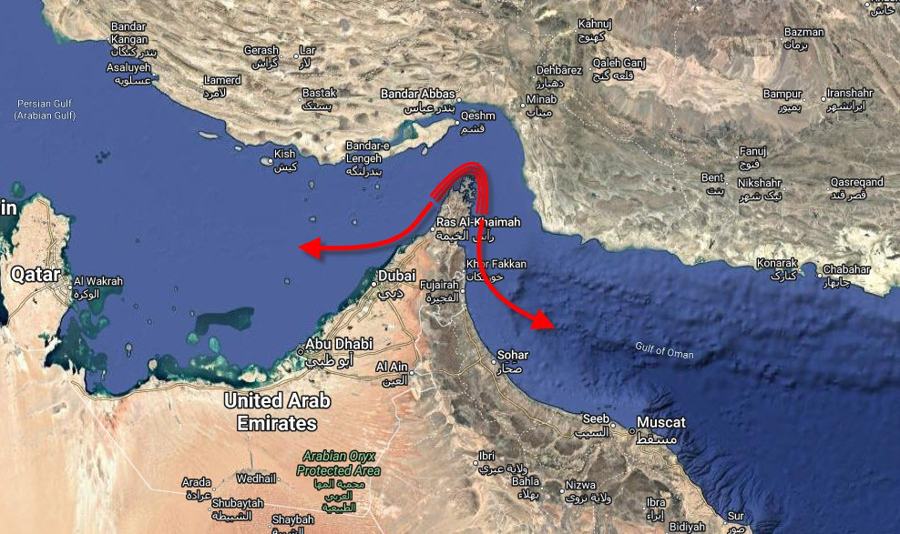
Trump's excursion is now a war in its fourth month.