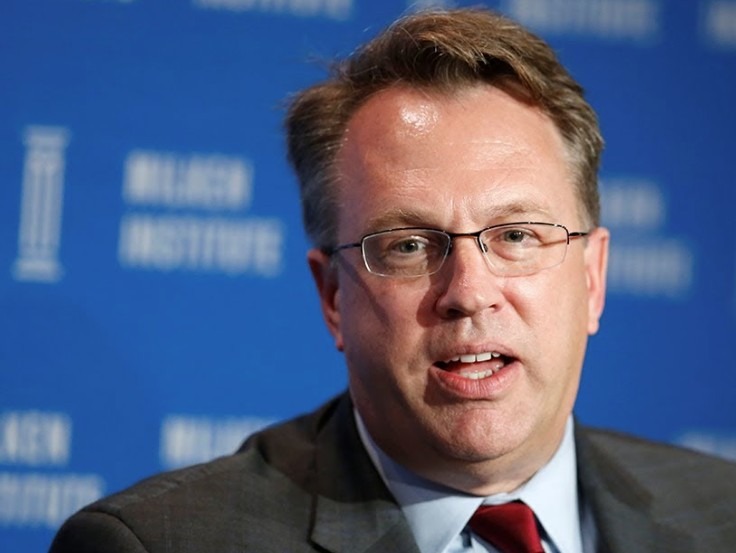
Fed's Williams said monetary policy is in a good place and mildly restrictive, seeing no reason to raise or lower rates now, while flagging strong productivity growth and stable market conditions.
Earlier:
Summary: According to further remarks by New York Fed President John Williams on May 14:
- Williams described monetary policy as mildly restrictive and in a good place, with no case seen for moving rates in either direction at present
- All inflation measures are weighed when assessing price conditions, with no single indicator driving the Fed's read on the outlook
- Strong productivity growth is expected to continue and is not seen as solely an AI-driven phenomenon
- The Fed's ample reserve system was described as working very well
- Williams said he understands why markets are optimistic and does not find current elevated equity valuations surprising given the investor outlook
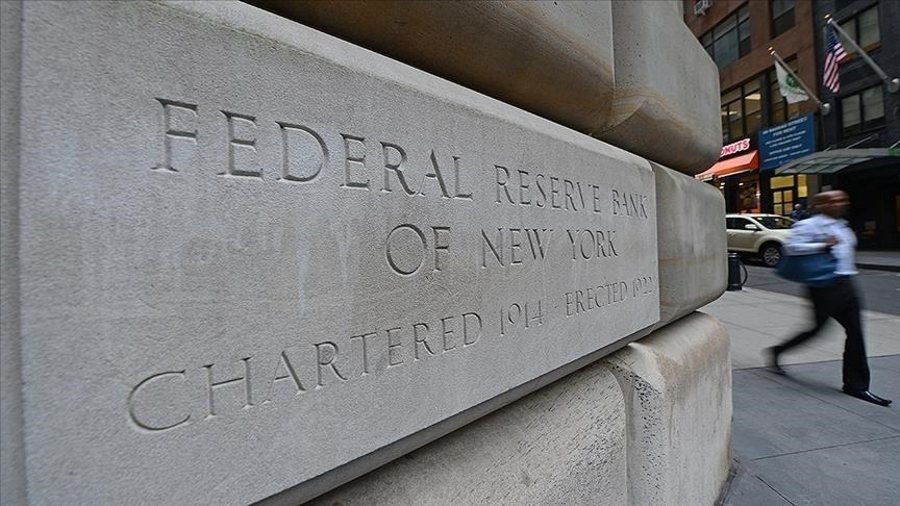
Federal Reserve Bank of New York President John Williams reinforced the central bank's wait-and-see posture on Thursday, delivering a policy assessment notable for its studied neutrality and its resistance to offering any clear directional signal on the path for interest rates.
Williams described monetary policy as mildly restrictive and in a good place, language that suggests the Fed views its current settings as broadly appropriate without being aggressively tight. Crucially, he said he sees no reason to either raise or lower rates at this time, a formulation that closes the door equally on both a hawkish and a dovish pivot and leaves the Fed squarely on hold with no urgency to move.
On inflation, Williams said the Fed weighs all available measures when taking stock of price conditions, a framing that avoids committing to any single indicator as the primary guide for policy. It is a position that gives the central bank maximum flexibility but also maximum ambiguity, offering little for markets to pin a rate expectation to. Combined with his earlier remarks flagging stable longer-term inflation expectations and limited second-round effects, the overall message is one of cautious comfort rather than confidence.
Away from the immediate policy debate, Williams offered a more optimistic tone on the structural backdrop. He expects strong productivity growth to continue and was clear that the drivers of that trend extend beyond the rise of artificial intelligence, pointing to a broader foundation for potential growth. He also expressed understanding of why financial markets remain optimistic about the economic outlook, and described elevated equity valuations as unsurprising given current investor sentiment.
The ample reserve system, through which the Fed manages liquidity in the banking sector, was given a clean bill of health. Taken together, Williams' remarks paint a picture of a policymaker who is comfortable with where things stand, sees risks in both directions, and has no appetite to act until the picture becomes materially clearer.
--
A Fed president explicitly ruling out both a hike and a cut in the same breath gives markets little to trade directionally on rates, reinforcing the holding pattern that has become the central bank's default posture. The characterisation of policy as only mildly restrictive suggests the bar to cutting remains high, while the absence of any tightening bias limits upside for the dollar. Williams' comfort with elevated equity valuations and market optimism signals no appetite to use rates as a tool to cool financial conditions. Productivity growth expectations, if sustained, would support a soft-landing narrative but do little to resolve the near-term inflation uncertainty.