Shares of Alphabet are down 2.9% after the company announced it's diluting existing shareholders by 1.7% via an $80 billion equity raise.
To me, this marks a new chapter in the AI arms race and is the strongest sign yet that it's an arms race of the likes never seen before in corporate history.
Just over a year ago, the hyperscalers were gushing free cash flow and in the past year, they've flipped to spending it all on buying chips, competing for talent and building data centers. Once that well ran dry, they began to issue debt, tainting the once-pristine balance sheets of the biggest companies in the world.
In the previous year, Google had raised $85 billion in debt, including a 100-year bond. The problem, is that with the war in Iran, the market was increasingly looking for higher yields on debt.
Now Alphabet is going down the stack and tapping equity, a watershed move that includes:
- $10 billion sold directly to Berkshire Hathaway in a private placement
- Approximately $30 billion in public offerings
- Up to $40 billion through an at-the-market (ATM) issuance program during the second half of 2026
The latter means that if you're buying shares in H2, they could be directly from the company rather than another shareholder. It's also another dollar of competition for equity markets that is going to get increasingly crowded with IPOs upcoming from SpaceX, Anthropic and OpenAI.
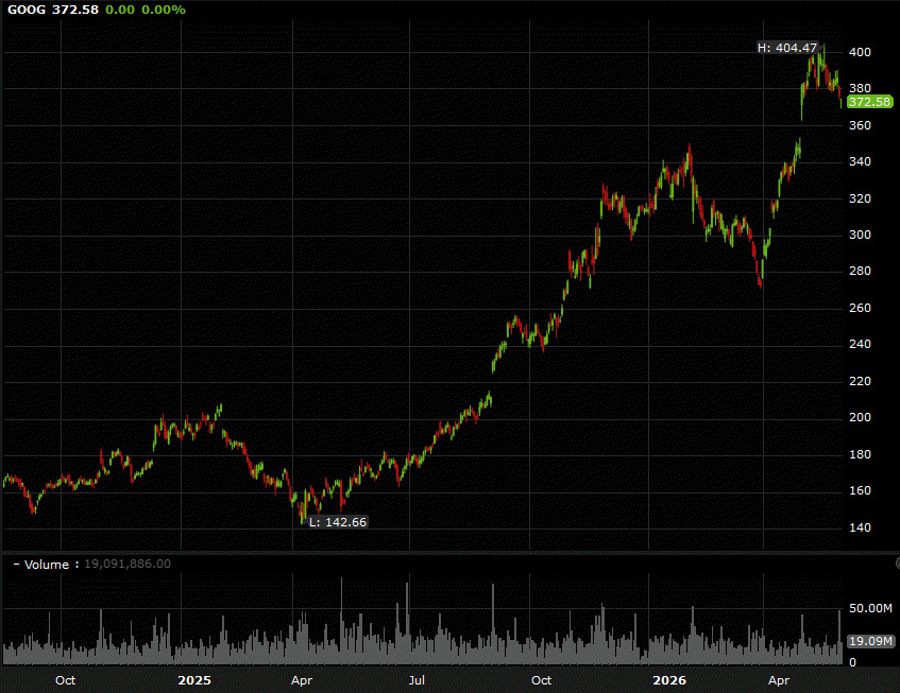
The fear now is that equity raises are going to come from the others in the AI race, or the companies scrambling to supply them.
The problem, is that eventually this needs to make money. If you're selling shares -- including to Berkshire Hathaway -- at $261, then those buyers need to expect a positive return. Berkshire is an impressive stamp of approval and Google has many incredible business lines and products.
The problem right now is the one that Sam Altman highlighted yesterday:
"I know some great stuff is happening but there is also a tonne of waste. How long do I have to wait for it to show up in revenue? How long do I have to wait to really get costs under control? I assume the industry will figure that out pretty quickly but that is a fair issue... I would bet that by a year or two from now there is a much better rationalization of company spend relative to outcomes."
What he's saying is that companies are spending huge amounts of cash on AI projects that won't make a return. That's the kind of thing that becomes endemic in a mania (like the one we're in) and leads to a bubble.