Oil prices dropped to a four month low following Trump's comments downplaying the risk of renewed conflict, with analysts cutting price forecasts for the first time since the war began. The unresolved status of the Strait of Hormuz remains the key swing factor for freight and energy markets, given the waterway's outsized role in global oil and LNG flows. Iran's plan to begin levying tolls on shipping from mid-August, alongside its stated willingness to assert control by force, keeps a one-sided risk premium in place even as headline sentiment improves. Continued incidents, including last weekend's exchange of strikes and a container ship running aground outside designated shipping lanes, point to a reopening process that remains fragile and only partially transparent.
---
US and Iran ended talks in Doha with no breakthrough, focused on Hormuz shipping and frozen assets. Oil hit a four month low as Trump downplayed war risk.
Summary:
- US and Iranian negotiators concluded two days of indirect talks in Doha with no sign of progress toward a lasting peace
- Discussions focused on Strait of Hormuz shipping and the unfreezing of Iranian funds, both issues under the initial ceasefire agreement
- The next round of talks will follow funeral processions for Iran's late Supreme Leader Ayatollah Ali Khamenei, due to be buried July 9
- Qatar's Foreign Ministry described the talks as producing positive progress building on a prior summit in Switzerland
- Iran's nuclear program did not come up in the technical talks, despite Trump telling reporters denuclearisation was moving along well
- Oil prices fell to a four month low after Trump played down the chance of a return to all out war
- Iran has said it will begin charging tolls on Strait of Hormuz shipping from mid-August once the toll free period expires
Talks between the United States and Iran concluded in Doha on Wednesday without a breakthrough toward a lasting peace, with negotiators instead revisiting issues both sides had described as resolved when an interim agreement was struck two weeks earlier. Sources familiar with the discussions said the two days of talks centred on maritime traffic through the Strait of Hormuz and the unfreezing of Iranian assets, both core elements of the initial deal.
Qatar's Foreign Ministry said the talks produced positive progress and built on the outcomes of an earlier summit in Switzerland, though neither side confirmed whether any substantive differences had been bridged. The next meeting will follow funeral processions for Iran's late Supreme Leader Ayatollah Ali Khamenei, who is due to be buried on July 9.
In Washington, President Donald Trump told reporters that denuclearisation of Iran was moving along well and that recent meetings had been productive. However, sources said Iran's nuclear program, the original trigger for the war launched alongside Israel in February, did not feature in the Doha discussions, which were described as technical in nature. Vice President JD Vance said the nuclear issue would be addressed later, while stressing it remained a concern.
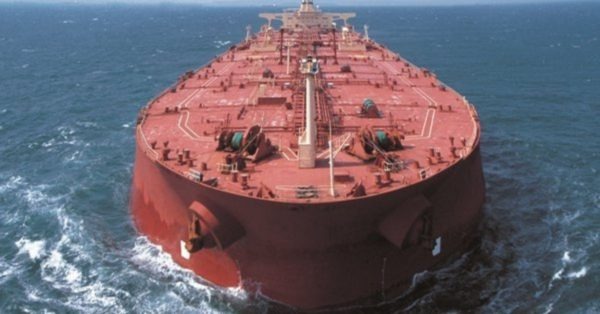
The status of the Strait of Hormuz continues to overshadow the broader process. The waterway handled around one fifth of global oil and LNG trade before the war, and while traffic has partially resumed, its status remains unresolved. The US and Iran exchanged strikes last weekend following an Iranian attack on a cargo ship, and Iranian state media reported a foreign container ship running aground outside designated shipping lanes this week. Iran is seeking international recognition of its control over the strait, according to senior Iranian sources, and has said it will begin charging tolls on shipping from mid-August once the current toll free period expires.
Trump downplayed the risk of a return to full scale conflict, saying both sides had come a long way. Oil prices fell to their lowest level in four months following his remarks, with analysts cutting price forecasts for the first time since the war began. Several European countries have offered to help clear mines from the strait, though Germany's defence minister said he did not expect his country to take part, citing Iran's reluctance to cooperate with other nations.