Iran's pushback introduces fresh uncertainty into a de-escalation narrative that drove sharp moves across oil, bonds, and equities on Thursday. With a tanker reportedly blocked from the strait and Tehran setting out conditions still some distance from Washington's framing, markets may temper some of the optimism priced in over the past 24 hours.
-
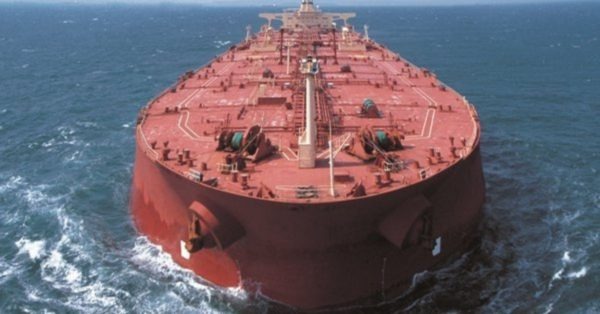
Iran's Foreign Ministry disputes Trump's claim that a deal has been broadly approved, says key conditions remain unresolved including Hormuz access and frozen funds, per Fars. Separately, Iranian forces blocked a tanker attempting to transit the strait without coordination.
SUMMARY
Source: Fars News
- Iran's Foreign Ministry pushes back on Trump's claim that the deal has been broadly approved, including by the Supreme Leader
- Says no final agreement has been reached and key conditions remain outstanding
- Iran maintains any deal would need to address its position on enriched uranium, with no nuclear concessions
- Tehran continues to insist on its role in managing the Strait of Hormuz
- Transfer of $24 billion in frozen funds also raised as an outstanding issue
- Iran says it has not faced pressure sufficient to alter its position over the past year
- Separately, Iranian forces blocked a tanker attempting to transit the Strait of Hormuz without prior coordination
Iran's Foreign Ministry has pushed back on President Trump's characterisation of a deal as broadly approved, including by the Supreme Leader, saying instead that no final agreement has been reached and that several key conditions remain unresolved.
Among the outstanding issues, Tehran reiterated its position on enriched uranium stockpiles, ruling out nuclear concessions, while continuing to insist on a central role in managing access to the Strait of Hormuz. The transfer of $24 billion in frozen Iranian funds was also raised as unresolved.
The ministry framed Iran's stance as one of consistency rather than negotiation under duress, noting that its position has not shifted materially despite a year of pressure, including recent US military action.
Adding a practical dimension to the dispute, Iranian forces reportedly blocked a tanker attempting to transit the Strait of Hormuz without prior coordination, an incident that sits uneasily alongside Trump's suggestion the strait would reopen once a deal is signed.
Taken together, the latest comments suggest the gap between Washington's framing of an imminent agreement and Tehran's account of where talks currently stand remains meaningful. Whether this reflects genuine distance on substance or familiar pre-signing positioning may become clearer over the coming days, but for now the practical situation in the strait appears unchanged.