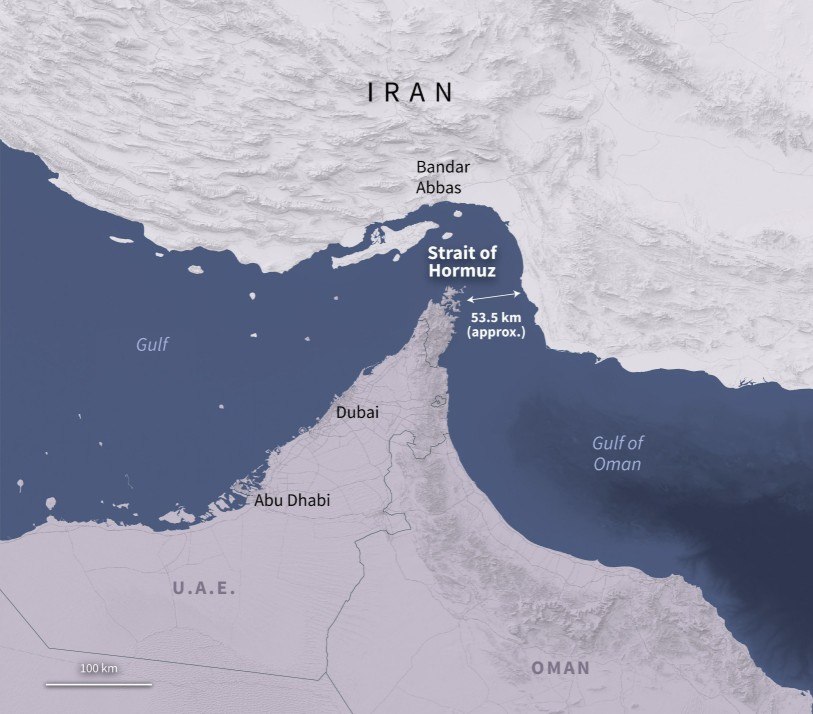
I posted earlier that US President Donald Trump cancelled planned military strikes on Iran that had been scheduled for Thursday night, saying negotiations had reached the highest levels of Iranian leadership and a final agreement could be signed soon. The White House indicated a framework deal has largely been accepted, with Trump suggesting a formal signing could take place this weekend in Europe.
Reports pointed to major gaps between negotiators having been resolved, fuelling optimism for a broader de-escalation after weeks of military tension in the region.
Further details on the proposed memorandum of understanding emerged via Al Arabiya, with the framework reportedly including a ceasefire of at least 60 days, reopening of the Strait of Hormuz within 30 days, phased sanctions relief tied to resumed Iranian oil exports, continued nuclear negotiations during the truce, and a halt to hostilities across all fronts.
However, Tehran's response cast fresh doubt over the timeline. Iran's Foreign Ministry said Qatar and Pakistan remain active mediators, but argued ongoing US actions are hampering the diplomatic process. The ministry further dismissed reports of a finalised agreement as speculation, stating no final decision has been reached.
Adding to the uncertainty, Iran said the Strait of Hormuz remains closed despite Trump's claims to the contrary, directly contradicting the optimism that had driven oil sharply lower. Separately, explosions were reported near the Iranian coastal town of Sirik, with the cause and origin unclear.
The combination leaves the deal in much the same state as before: announced by Washington, framework details circulating via regional media, but neither confirmed by Tehran nor reflected in conditions on the ground. For oil markets, the gap between the rhetoric of de-escalation and the reality of a still-closed strait may prove the more important signal heading into the weekend.