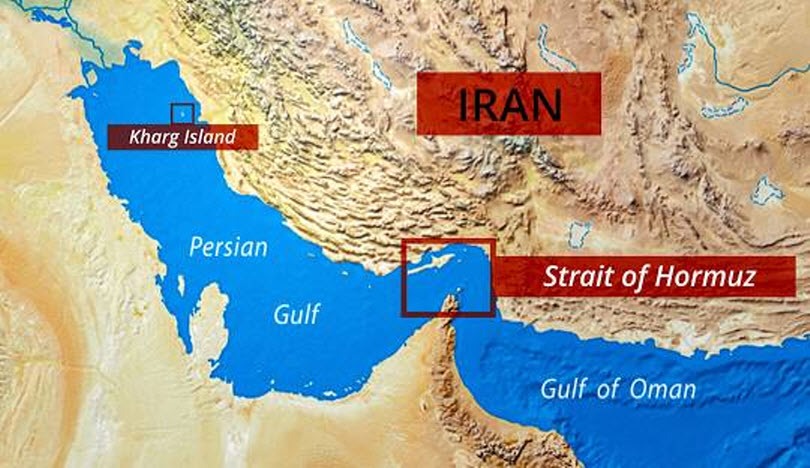
A $60-65 target from a major bank carries weight at a moment when crude has already hit its lowest point since the conflict began, and the directional call will pressure any remaining long positions built on sustained Hormuz disruption. The key phrase in Citi's framing is "re-anchor to weaker fundamentals," which implies the war premium was masking a supply picture that was already soft before February. The timeline, six to twelve months, gives the market room to fade gradually rather than gap lower, but the destination is unambiguous.
Earlier:
---
Citi forecasts oil will trend to $60-65/bbl by Q1 2027 as the US-Iran deal normalises Hormuz flows and re-anchors prices to weaker pre-war fundamentals.
Summary:
- Citi's base case is sustained normalisation of Hormuz flows under the US-Iran memorandum of understanding
- The bank forecasts oil trending to $60-65/bbl by Q1 2027 over a 6-12 month horizon
- Restoring strait flows will, over time, re-anchor prices to fundamentals that were already weak before the conflict
- Crude fell Thursday to its lowest level since the February 28 outbreak of war
Citigroup has put a floor on where oil is headed: $60-65 a barrel by the first quarter of next year, as the supply locked behind the Strait of Hormuz during the US-Iran conflict finds its way back to market.
The bank's base case rests on the memorandum of understanding between Washington and Tehran holding well enough to allow shipping flows through the strait to normalise. That is not a certainty, as Thursday's diplomatic picture made clear, but it is Citi's central scenario. The bank's language on the destination is pointed: restored flows will re-anchor prices to fundamentals that were already pointing lower before the war began in late February. The conflict's principal market effect was to obscure that underlying weakness behind a geopolitical premium. As that premium deflates, so does the price.
The trajectory implied is a grind rather than a collapse. Six to twelve months gives the market time to absorb returning barrels without a disorderly unwind, and the Q1 2027 target sits roughly 10-15 dollars below current levels depending on the session. For producers, hedgers, and any fund still running long crude on a disruption thesis, the Citi note is a signal that the trade has turned. The strait is open. The clock is running.