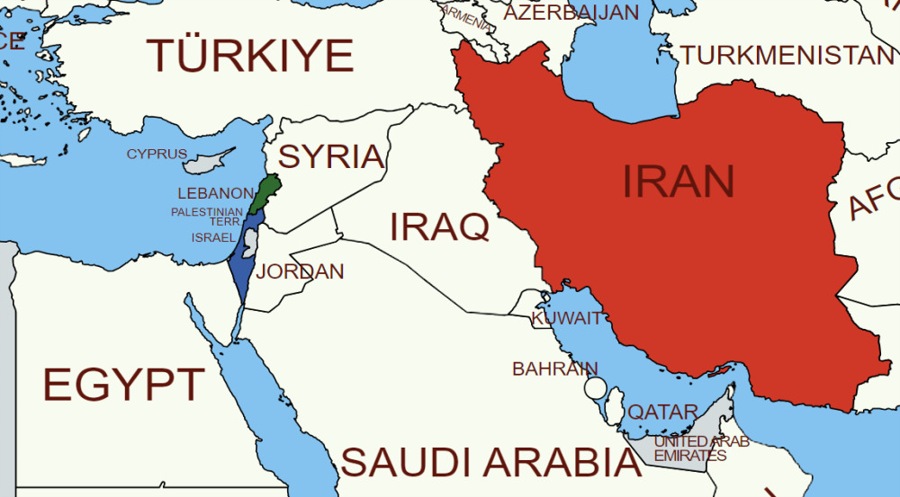
ADDED, as I post there are reports of more explosions in Sirik, iran - borders the Strait.
The scale escalation matters as much as the strikes themselves, with a US official describing Tuesday's action as four to five times larger than the previous round just ten days earlier, a trajectory that argues against a quick de-escalation. Oil is likely to stay bid on the expectation that the ceasefire could collapse entirely if Iran keeps interfering with Hormuz transit, since that reintroduces the tail risk of a sustained closure rather than a one off incident. The framing of strikes as punishment rather than proportional response also signals Washington sees this as an open-ended campaign, not a single retaliatory strike, which argues for a higher risk premium staying in the price for longer. Iran's rejection of the strikes as a violation of the ceasefire agreement leaves little room for either side to climb down quickly.
---
Ceasefire risks collapse unless Iran stops blocking Strait of Hormuz shipping, as strikes on Iran are four to five times bigger than ten days ago and framed as punishment, not proportional response
Summary:
- Ceasefire is in danger of collapse if Iran does not stop trying to prevent ships from crossing the Strait of Hormuz
- Current US strikes are focused on military targets and facilities linked to the attacks on ships in the Gulf
- A US official described the strikes as punishment rather than proportional, and said they will not be over for a while
- A separate US official said Tuesday's strikes were four to five times bigger in scope and power than the previous strikes ten days earlier
- Iran's Foreign Minister said the US strikes violate the ceasefire agreement
The ceasefire with Iran could collapse entirely unless Tehran halts efforts to block shipping through the Strait of Hormuz.
The warning follows Tuesday's US military action, which came after Iran was accused of attacking three commercial vessels transiting the strait, an escalation that shattered the fragile calm that had held since the earlier conflict between the two countries. According to a US official, the current wave of strikes is concentrated on military targets and facilities tied directly to those attacks on shipping in the Gulf, rather than a broader set of objectives.
Separately, a US official said Tuesday's strikes were four to five times larger in scope and power than the previous round carried out roughly ten days earlier, underscoring how quickly the confrontation has intensified. The strikes are described as an act of punishment rather than a proportional response, adding that the campaign will not be over anytime soon.
Iran's Foreign Minister rejected the US characterization of events, saying the strikes themselves represent a violation of the memorandum of understanding that had underpinned the ceasefire. The competing narratives, with Washington framing its actions as a response to Iranian aggression against shipping and Tehran framing the US strikes as the actual breach, leave little immediate basis for de-escalation.
The stakes for energy markets and regional security are considerable. The Strait of Hormuz remains one of the world's most critical routes for oil shipments, and any sustained disruption there threatens to reverse the recent decline in crude prices that had underpinned expectations of easing inflation. With both sides now trading accusations of ceasefire violations and US officials signaling a prolonged campaign rather than a single retaliatory strike, the situation appears likely to remain volatile in the days ahead.