The Trump administration will loan 53.3 million barrels from the US Strategic Petroleum Reserve to nine companies, part of a broader IEA-coordinated release of around 400 million barrels to cool war-driven oil prices.
Summary:
- The Trump administration announced a loan of 53.3 million barrels from the Strategic Petroleum Reserve to nine companies, including Exxon Mobil, Trafigura and Marathon Petroleum, per the Department of Energy
- Companies borrowed only around 58% of the 92.5 million barrels the DOE had offered last month, according to the report
- The DOE had already loaned roughly 80 million barrels earlier this spring and is targeting a total release of 172 million barrels, per the Department of Energy
- The US committed to releasing 172 million barrels as part of a March agreement with more than 30 IEA member countries to collectively release around 400 million barrels, aimed at countering the price impact of Iran's closure of the Strait of Hormuz
- IEA executive director Fatih Birol described the conflict as the largest energy crisis ever recorded and said the agency stood ready to authorise further releases if supply disruptions continued, per statements made on 7 May
- US gasoline prices averaged $4.52 a gallon as of Monday, the highest since 2022, according to AAA motor club data
The Trump administration will loan 53.3 million barrels of crude oil from the United States Strategic Petroleum Reserve to nine energy companies, the Department of Energy announced on Monday, as Washington steps up efforts to ease fuel prices driven sharply higher by the US-Israeli military campaign against Iran.
The companies taking up the loan include Exxon Mobil, Trafigura and Marathon Petroleum. Combined, they drew down roughly 58% of the 92.5 million barrels the DOE had made available last month, a lower uptake than Washington had sought. The DOE had already released around 80 million barrels from the SPR earlier this spring and is working toward a total drawdown of 172 million barrels.
That figure was agreed in March as part of a coordinated pact with more than 30 International Energy Agency member countries to release a combined 400 million barrels onto global markets. The agreement was a direct response to Iran's closure of the Strait of Hormuz, the critical waterway through which roughly one in five barrels of the world's daily oil supply normally flows. The closure has driven up prices across energy markets and pushed pump prices to multi-year highs for American consumers.
IEA executive director Fatih Birol has called the conflict the largest energy crisis the world has ever faced. Speaking earlier this month, Birol said member countries have so far released around 20% of their available reserves and that the agency stands ready to authorise additional releases if supply disruptions from the war persist.
The SPR, stored in underground caverns at four sites along the Texas and Louisiana coastlines, currently holds around 384 million barrels. Oil loaned from the reserve must be repaid in crude, with premiums of up to 24%, a structure the DOE says allows it to stabilise markets without any cost to taxpayers.
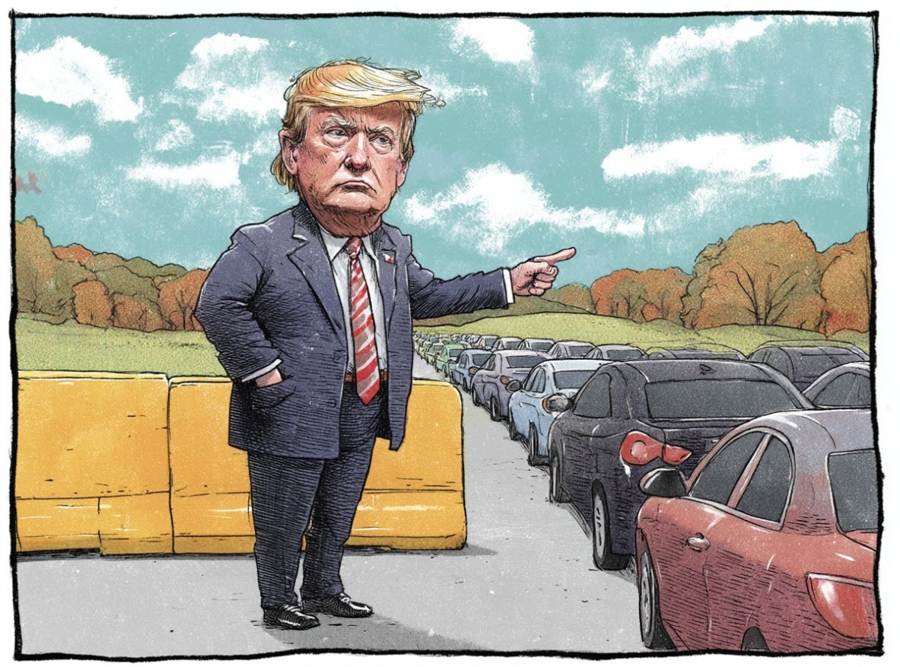
The political stakes are considerable. Average US gasoline prices reached $4.52 a gallon on Monday, the highest level since 2022, placing pressure on Republican lawmakers who are seeking to defend narrow congressional majorities in November's midterm elections.
---
The partial uptake of the DOE's loan offer, with companies borrowing only 58% of the available 92.5 million barrels, suggests demand for reserve oil is softer than Washington anticipated, which could signal some easing in physical market tightness. However, US gasoline prices at a decade-high average of $4.52 a gallon point to sustained consumer fuel pressure that carries political risk ahead of November midterms. The IEA's warning that this constitutes the largest energy crisis on record, combined with readiness to authorise further reserve releases, keeps a ceiling on how far prices can rally before coordinated intervention intensifies.