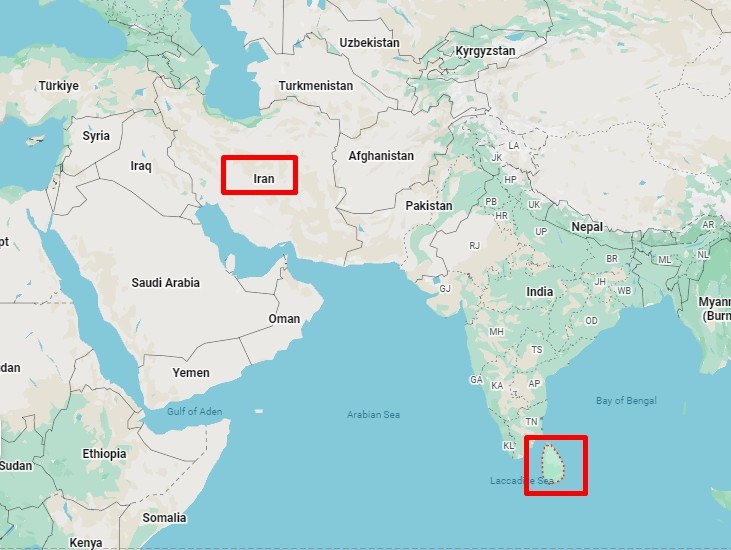
This from yesterday about US forces taking Itanian tankers in Asia:
Reuters have further now, in brief:
Summary:
- US forces intercept and redirect multiple Iranian oil tankers in Asian waters
- At least 29 vessels ordered to turn back under expanding maritime blockade
- Strait of Hormuz traffic remains near standstill amid ongoing disruptions
- Iran escalates by seizing two cargo ships attempting to exit the Gulf
- Enforcement increasingly shifting to open waters to reduce operational risk
The United States has stepped up enforcement of its maritime blockade on Iran by intercepting and redirecting several Iranian-flagged oil tankers in Asian waters, signalling a broader geographic reach beyond the Strait of Hormuz and intensifying pressure on global energy supply chains.
According to shipping and security sources, US forces have diverted at least three Iranian tankers operating near India, Malaysia and Sri Lanka. These actions form part of a wider effort to restrict Iran’s ability to export crude, with US authorities confirming that a total of 29 vessels have been ordered to turn back or return to port since the blockade began.
The operation comes against the backdrop of continued disruption in the Strait of Hormuz, a critical chokepoint through which roughly one-fifth of the world’s oil and gas supply typically flows. Traffic through the waterway remains close to a standstill, amplifying concerns about prolonged supply tightness and the risk of a sustained global energy shock.
Specific vessels targeted include the supertanker Dorena, reportedly carrying around 2 million barrels of crude and now under US naval escort in the Indian Ocean after attempting to breach the blockade. Another large tanker, Deep Sea, was partially loaded and last tracked off Malaysia, while the smaller Sevin was also intercepted. Additional reports suggest the tanker Derya may have been stopped after failing to discharge its cargo in India before the expiry of a US waiver on Iranian oil purchases.
The US is also believed to be deliberately conducting interceptions away from the Strait of Hormuz, focusing instead on open waters to reduce operational risks such as potential mine threats in the confined chokepoint.
Meanwhile, Iran has responded by escalating its own maritime actions. Tehran confirmed it seized two cargo ships attempting to exit the Gulf after firing on multiple vessels, marking its first such detentions since the conflict began. These developments highlight a growing tit-for-tat dynamic at sea, even as a fragile ceasefire remains in place with little visible progress toward renewed negotiations.
Taken together, the expansion of US interdictions and Iran’s retaliatory moves point to a deepening standoff that continues to disrupt energy flows and elevate geopolitical risk across key shipping lanes in Asia and the Middle East.
---
The widening scope of US enforcement beyond Hormuz is a key escalation, reinforcing the risk of sustained supply disruption rather than a short-lived shock. Oil markets are likely to remain supported as physical flows stay constrained, while shipping, insurance costs, and volatility premiums remain elevated. The shift to open-water interdictions also signals a longer-duration strategy, reducing the likelihood of a quick normalization in flows.