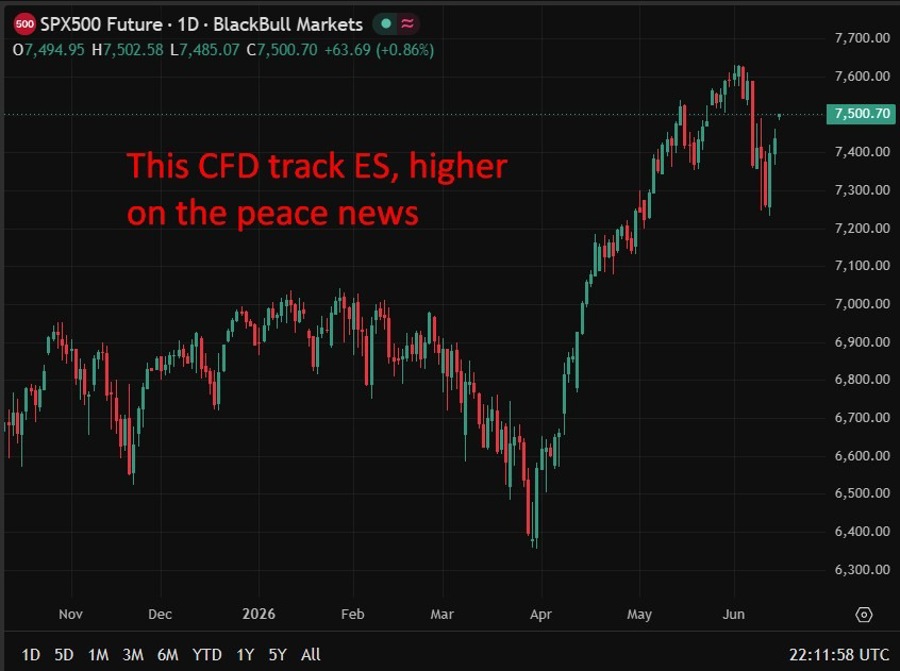
Iran's confirmation removes the an ambiguity from the Pakistan-brokered announcement and gives crude markets a firm signal to sell the geopolitical premium. The Hormuz dimension is now operationally specific: marine traffic through the Gulf will be regulated by Iran in coordination with Oman, a framework that implies managed rather than unconditional reopening, and traders should note that distinction.
The naval blockade unwinding begins now, which is the most immediate supply-side variable. However, Tehran's framing throughout is adversarial: the MOU is explicitly not a trust-building measure, Iran's commitments only take effect from Friday, and the 60-day sanctions negotiation has asset unfreezing and blockade termination as preconditions before Iran formally engages. That sequencing introduces execution risk that the headline price move may underweight. Armed forces remaining on alert is not boilerplate; it is a deliberate signal for domestic and regional audiences.
---
Iran confirmed the U.S. ceasefire MOU, ending the naval blockade from tonight; Gulf traffic will be Iran-Oman regulated, with a 60-day sanctions negotiation to follow asset unfreezing.
Summary: Sources: Fars News Agency; Tasnim News Agency; Iranian Deputy Foreign Minister statements
- Iran's Supreme National Security Council confirmed a ceasefire agreement with the U.S., with an official statement imminent
- Marine traffic through the Gulf will be regulated by Iran in coordination with Oman
- The immediate and permanent end to military operations on all fronts, including Lebanon, takes effect from tonight
- The U.S. naval blockade against Iran begins unwinding from tonight
- The MOU text will be published after the official signing; Iran's commitments formally take effect from Friday
- A 60-day negotiating period focused on sanctions relief will follow, but Iran will not enter talks until assets are unfrozen and the blockade and war have ended
- Iran's deputy foreign minister said military power and unmet demands shaped the final text, and that armed forces would keep their finger on the trigger
Iran confirmed it had agreed to a memorandum of understanding with the United States, with the country's deputy foreign minister detailing terms that positioned Tehran as a reluctant but unbowed signatory rather than a defeated party.
The immediate and permanent end to military operations across all fronts, including Lebanon, was declared effective from tonight. The U.S. naval blockade against Iran also begins unwinding from the same point. Marine traffic through the Gulf, the Hormuz chokepoint that has dominated energy market pricing throughout the conflict, will not revert to unconditional passage: Iran said it would regulate shipping in coordination with Oman, a framework that preserves Tehran's hand over one of the world's most critical supply corridors.
Iran's commitments under the MOU take formal effect from Friday, aligned with the Swiss signing ceremony announced earlier by Pakistan's prime minister. The full text will not be published until after that ceremony.
The deputy foreign minister was pointed in his characterisation of what the MOU does and does not represent. It does not signal trust in Washington. Iran agreed only after incorporating its final demands into the text, and credited its military posture with securing those terms. Armed forces, he said, would remain on alert.
A 60-day negotiation focused on sanctions relief follows, but Iran set preconditions: asset unfreezing, confirmed blockade termination, and a verified end to hostilities must all be in place before Tehran enters that process. Mediators will remain involved throughout.