Summary:
November CPI flat m/m, softer than Westpac expected
Annual CPI eased to 3.4%, below forecasts
Downside risk to December-quarter inflation outlook
Energy rebates again distorted electricity prices
Westpac sees RBA holding rates in February
Australia’s inflation pulse cooled more sharply than expected in November, a result that Westpac says should provide reassurance to the Reserve Bank of Australia that further policy tightening is not required in the near term.
The latest Australian Bureau of Statistics data showed headline CPI was flat in the month, significantly weaker than Westpac’s near-term forecast for a 0.4% rise. On an annual basis, the new Complete Monthly CPI eased to 3.4% year-on-year in November, well below Westpac’s 3.8% estimate and softer than market expectations.
Westpac said the weaker-than-expected outcome introduces downside risk to its current December-quarter inflation forecasts, which sit at 0.6% quarter-on-quarter for headline CPI and 0.8% for the trimmed mean. If confirmed following a full review of the monthly detail, the bank believes the data should be sufficient to comfort the RBA ahead of its February meeting, reducing the likelihood of a rate hike.
The softer print was driven by a combination of weaker electricity prices and declines across several discretionary categories. Electricity prices rose far less than anticipated in the month, while household contents and services, clothing and footwear, and health all fell more sharply than Westpac had expected. Transport prices also rose more modestly. These declines were partly offset by firmer increases in food prices, rents, new dwellings and communications.
Energy rebates continued to play a significant role in shaping the inflation profile. Electricity prices were up 19.7% over the year to November, but Westpac noted this reflected the dampening impact of state and federal rebate schemes. Excluding those rebates, the ABS estimates electricity prices rose 4.6% year-on-year, slightly slower than in October and consistent with annual price resets by energy retailers in mid-2025.
Underlying inflation also edged lower. The trimmed mean rose 3.2% year-on-year in November, easing from 3.3% previously, while the monthly increase held steady at 0.3% — a pace Westpac notes has been consistent for several months.
Looking ahead, Westpac expects the inflation pulse to continue moderating through 2026, outside of volatile items, administered prices and known supply shocks, reinforcing the case for the RBA to remain on hold in coming months.
The Australian dollar has added to recent gains after the data, trading above 0.6760.
---
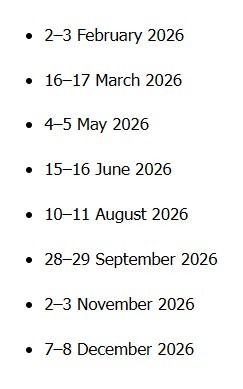
Reserve Bank of Australia meeting dates for the year ahead: