RBA warns the Middle East conflict could trigger a severe global shock, with risks of disorderly asset repricing, higher inflation from oil, and rising sovereign debt stress, even as Australia’s financial system remains resilient.
Summary:
RBA warns Middle East conflict could trigger severe global shock
Highlights risk of disorderly repricing across assets and sovereign debt
Oil surge seen as inflationary, while weighing on growth and demand
Global vulnerabilities elevated amid low risk premia and high leverage
Australian banks and households seen as resilient buffers
Rising global yields, fiscal deficits and AI risks flagged
Financial system risks rising across cyber, liquidity and geopolitics
The Reserve Bank of Australia has delivered a stark warning on the global macro outlook, flagging the escalating Middle East conflict as a potential trigger for a severe international shock that could reverberate across financial markets and economies.
In its latest Financial Stability Review, the RBA highlighted the growing risk that disruptions to energy supply, particularly oil, could drive a renewed inflation shock while simultaneously weighing on global demand. With crude prices already surging sharply since the conflict began, the central bank warned that prolonged supply disruptions could destabilise the global economy.
A key concern for policymakers is the potential for a disorderly repricing of financial assets. The RBA noted that years of low risk premia and rising leverage have left markets vulnerable to sharp corrections if geopolitical risks intensify. Sovereign debt markets were singled out as a particular pressure point, with persistent budget deficits across advanced economies increasing the risk of a sudden rise in yields.
Beyond energy and rates, the RBA outlined a broad set of global vulnerabilities. These include the possibility of a sharp reversal in AI-related investment if productivity gains fail to materialise, growing exposure to cyber and operational risks, and the potential erosion of confidence in global policy frameworks amid increasingly unconventional economic policies.
The central bank also pointed to structural risks in China’s financial system, citing high debt levels and ongoing weakness in the property sector as key fragilities in the global outlook.
Despite the heightened external risks, the RBA struck a relatively constructive tone on domestic resilience. Australian banks were described as well-capitalised and capable of absorbing loan losses, while households and businesses were seen as generally well positioned to withstand higher borrowing and energy costs. The exchange rate was also noted as a potential shock absorber, with a weaker Australian dollar helping to cushion external pressures.
The warning comes just days after the RBA raised interest rates to 4.1% in a narrow decision, reflecting concerns that inflation risks tied to the conflict could persist. Markets are now pricing a meaningful chance of further tightening, even as the global growth outlook becomes more uncertain.
---
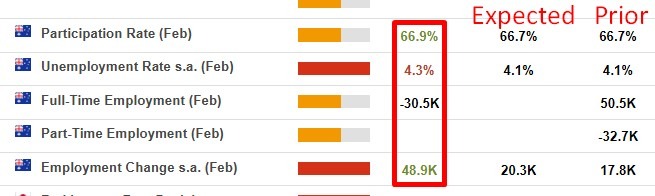
Separately, we've just had a very mixed Australian jobs report: