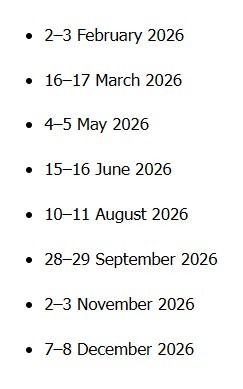
ING says persistent services inflation and resilient labour data have put the RBA on track for a cautious February rate hike.
Summary:
ING says Australia’s stronger-than-expected Q4 CPI has reinforced the case for a 25bp RBA rate hike in February.
Trimmed mean inflation rose to 3.4% y/y, above consensus, with housing and services price pressures remaining persistent.
ING argues inflation is becoming more structural than transitory, challenging the RBA’s earlier expectation of moderation.
Labour market data remains resilient but not overheating, with unemployment below the RBA’s forecast despite mixed job quality trends.
ING expects any February move to be cautious, given moderate GDP growth and uneven high-frequency activity indicators.
The Reserve Bank of Australia is increasingly likely to raise interest rates in February following an upside surprise in inflation data that points to persistent price pressures, according to analysts at ING.
Australia’s December consumer price index, which completes the fourth-quarter inflation picture, exceeded expectations and challenged the RBA’s prior assessment that inflation would moderate toward year-end. Trimmed mean CPI rose to 3.4% year-on-year, slightly above the 3.3% consensus, driven by continued strength in housing costs and services-related components. Housing inflation rose 5.5% y/y, while prices in recreation and culture climbed 4.5%, underscoring the breadth of price pressures.
ING noted that the persistence of services inflation through the third and fourth quarters suggests inflation dynamics are becoming increasingly structural rather than temporary. This runs counter to the RBA’s November guidance, when policymakers suggested the earlier rise in inflation may partly reflect transitory factors and expected quarterly price growth to ease in the December period. The latest data makes it harder for the central bank to attribute elevated inflation to one-off influences such as supply disruptions or electricity rebates.
Labour market indicators have added to the case for tightening. Employment growth rose to an eight-month high in December, with more than 80% of the increase coming from full-time jobs. However, ING highlighted that the three-month trend still points to part-time employment as the main driver of underlying momentum, which tends to offer less support for household spending.
The unemployment rate fell to 4.1%, bringing the quarterly average below the RBA’s forecast. Even so, ING cautioned that labour data around the December–January period can be volatile and may not fully reflect underlying trends.
Taken together, ING now expects the RBA to lift the cash rate by 25 basis points in February. However, with GDP growth at 2.1% and recent activity indicators mixed, analysts expect any move to be a measured one, reflecting the central bank’s need to balance stubborn inflation against a still-fragile growth outlook.
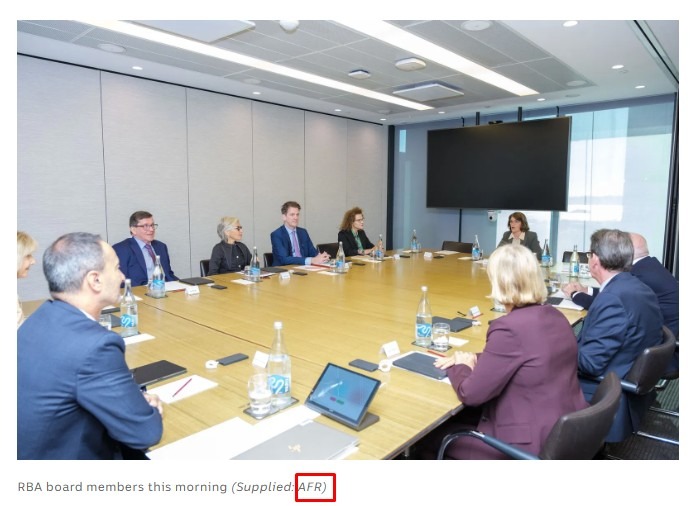
ps. Thats an old pic. They didn't meet this morning! Coming up: