If war creates high inflation, weak labor market, could call for holding rates steady
The longer Middle East war remains unresolved, inflation and job risks increase
High inflation, weak job market would be challenging for Fed
March headline PCE inflation likely to hit 3.5% year over year
Possible energy price surge could have lasting inflation impact
Markets appeared to have undervalued risk of extended conflict
Will be closely watching how inflation expectations react to conflict
If swift resolution to war, can look through energy price shock
After series of shocks, it gets harder to look through inflation jump
Will closely watch jobs data for mounting signs of stress
Job market break even rate now likely around zero
Periods of negative job growth might not signal recession
Changes to job market make it challenging to analyze now
Outlook depends on how long rise in oil prices, how long conflict will persist
Those are strong pillars
Consumers nervous about economy, but spending
Businesses cautiously optimistic
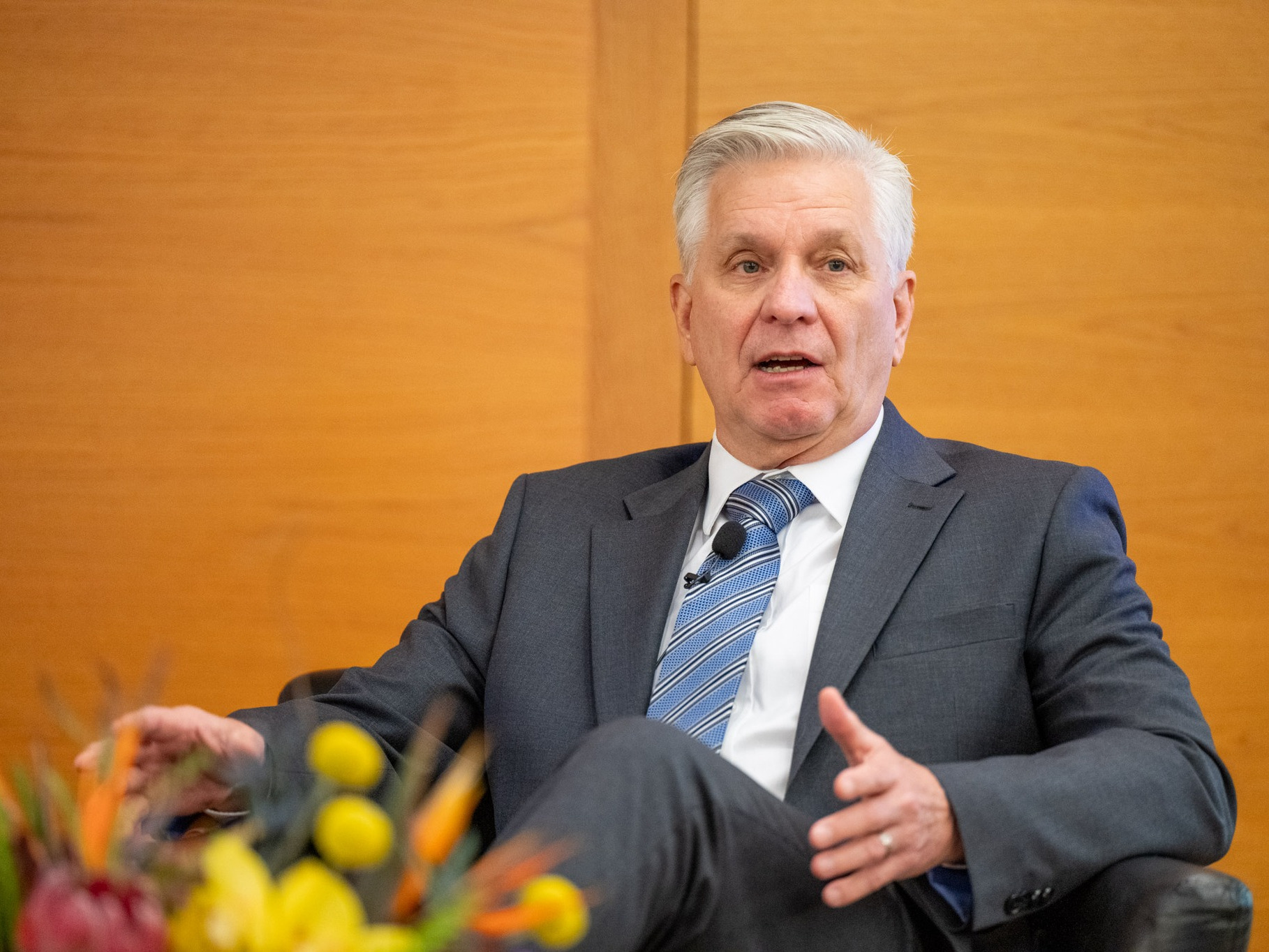
Fed governor Christopher Waller is out with some comments on the Middle East conflict and what it means for monetary policy but the comments were surely written before today's news about opening the Strait of Hormuz so they may already be useless.
On the economy itself, he sounded more constructive — consumers nervous but still spending, businesses cautiously optimistic, calling them "strong pillars." Waller was leaning dovish earlier in the year is now openly talking about holding but I'm not sure he will really want to walk that back post-war, especially if oil settles in the mid-to-high $70s.
I think right now the war matters much more for monetary policy but note that we get Warsh's confirmation hearing on April 21 so that's going to be a spot to watch. We also get some more data next week, and it's been running hot.