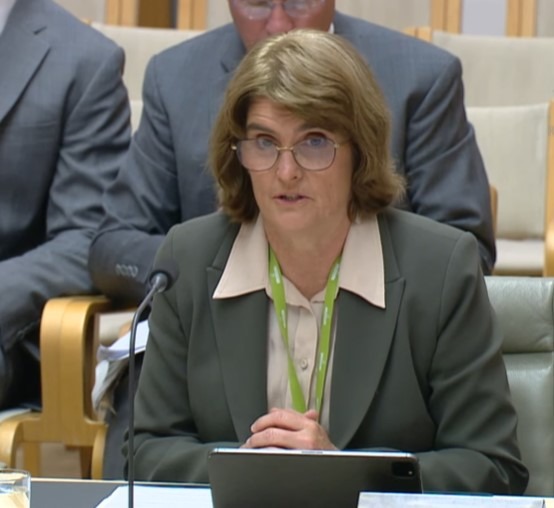
Bullock framed the rate hike as a response to renewed, broad-based inflation and tighter capacity constraints, with the RBA now focused on whether price pressures prove persistent.
Summary:
Bullock said the board lifted the cash rate because the economy is more capacity constrained than previously judged, meaning policy needed to be tighter.
She said the RBA needs to dampen demand growth unless supply capacity (including productivity) can expand faster.
Inflation has re-accelerated: trimmed mean rose from 2.7% in mid-2025 to 3.4% y/y in Q4 2025, while headline inflation lifted to 3.6% y/y (affected by cost-of-living relief measures).
The board sees some of the inflation rise as temporary, but warned some appears persistent; the RBA now sees inflation not returning to the 2–3% band until mid-2027.
Beyond monetary policy, Bullock flagged work on surcharging and merchant card costs (conclusions due end-March 2026) and said the RBA will publish a review of the 27 Jan settlement-system disruption before end-February.
Reserve Bank of Australia governor Michele Bullock used her opening statement (link here) to the House economics committee to defend this week’s rate rise, arguing the economy is running into capacity limits and inflation has proved more persistent than expected.
Bullock said the monetary policy board lifted the cash rate target by 25 basis points to 3.85% earlier this week after inflation “picked up materially” in the second half of 2025, leaving the board judging policy needed to be tighter. She pointed to a broad-based lift across categories including services, retail goods and new home building costs, with trimmed mean inflation rising to 3.4% over the year to the December quarter after troughing at 2.7% in mid-2025. Headline inflation rose to 3.6% y/y, though Bullock noted it has been affected by temporary cost-of-living measures.
While much of the recent inflation increase is assessed as temporary, Bullock said part of it appears persistent, and the board will be watching closely how much reflects enduring capacity pressures. The RBA’s central scenario now has inflation not returning to the 2–3% target band until the middle of next year, with the governor framing the task as dampening demand growth unless the supply side of the economy can expand faster. She emphasised productivity as critical to allowing stronger income and spending growth without reigniting inflation.
Bullock also described labour market conditions as close to, and possibly a little tighter than, full employment, with unemployment averaging 4.2% in Q4 and liaison suggesting some firms still struggle to find workers with the right skills.
Away from rates, Bullock said the RBA will publish conclusions from its review of surcharging and merchant card costs by end-March, and plans to release a review of the late-January settlement disruption before the end of February.
***
There will be plenty more from Bullock to come, I'll post separately, when the Q&A begins.
***
Earlier preview: