US Treasury Secretary Bessent arrives in Tokyo pressing Japan to favour BOJ rate hikes over yen intervention, as large-scale currency support operations raise concern over spillover into US Treasury markets.
Summary:
- Bessent arrived in Tokyo on Monday for meetings with Finance Minister Katayama and Prime Minister Takaichi on Tuesday, his third visit to Japan in just over a year as Treasury secretary
- The trip follows multiple days of suspected large-scale yen intervention by Tokyo, estimated at up to 10 trillion yen, with Bessent having previously criticised that approach in favour of BOJ rate hikes
- Japanese 10-year bond yields have risen to their highest level since 1997, with continued increases carrying the potential to push US Treasury yields higher, a key concern for the Trump administration
- Yen intervention is often financed through the sale of US Treasuries, creating a direct channel through which Japanese currency management can complicate Washington's borrowing costs
- Bessent has previously stated that the BOJ is behind the curve on rate hikes and called on the Japanese government to give the central bank space to tackle inflation; market speculation is building for a BOJ hike as early as next month
- Discussions are also expected to cover supply-chain resilience and the Iran war, alongside currency and monetary policy
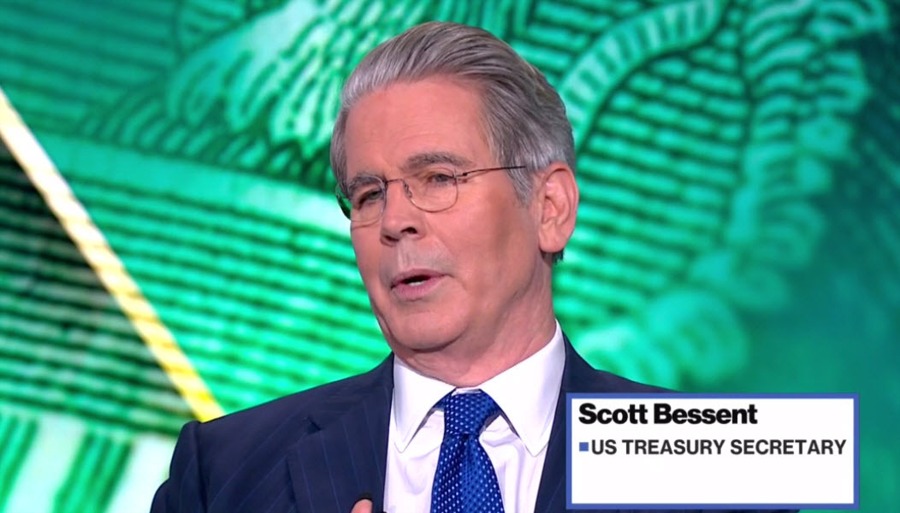
US Treasury Secretary Scott Bessent arrived in Tokyo on Monday for his third visit to Japan in little more than a year, with currency markets and monetary policy firmly at the top of the agenda as Washington grows increasingly attentive to the spillover effects of Japanese financial flows on US Treasuries.
The visit comes after multiple days of suspected large-scale yen intervention by Tokyo, with Japan estimated to have spent as much as 10 trillion yen propping up the currency in recent weeks. Bessent has been openly critical of that approach, favouring BOJ interest rate hikes as the more appropriate mechanism for stabilising the yen. His preference puts him at odds with an intervention strategy that is often financed through the sale of US Treasuries, a channel that risks pushing American yields higher at a time when the Trump administration is acutely sensitive to borrowing costs.
Japanese government bond yields have already been climbing, with 10-year rates hitting their highest level since 1997 last month. Bessent has identified the US 10-year Treasury yield as his most important market metric, and any Japan-driven increase in that rate is seen as directly complicating his administration's fiscal goals. Those concerns are thought to have underpinned an unusually assertive exchange between Bessent and Finance Minister Satsuki Katayama at the World Economic Forum in Davos earlier this year, described by people familiar with the meeting as more of a reprimand than a routine bilateral discussion.
Bessent is scheduled to meet Katayama and Prime Minister Sanae Takaichi on Tuesday before travelling to Seoul on Wednesday for trade talks with Chinese counterpart He Lifeng ahead of the Trump-Xi summit. Discussions in Tokyo are expected to span yen stability, BOJ policy normalisation, supply-chain resilience and the Iran war.
Market participants will watch Tuesday's meetings closely for any signals on the trajectory of BOJ tightening, with speculation building for a rate hike as early as next month. Analysts have noted that Japan has limited room to push back if Bessent steps up pressure, given Washington's broader strategic and financial leverage over Tokyo.
---
Bessent's preference for BOJ rate hikes over yen intervention has direct implications for Japanese government bond yields, which have already pushed 10-year rates to their highest since 1997, and any further rise risks feeding through to US Treasuries, complicating the Trump administration's own borrowing costs. Tokyo's recent intervention, estimated at up to 10 trillion yen, has been partly financed through Treasury sales, a channel that adds further upward pressure on US yields and gives Washington a direct financial interest in how Japan manages its currency. Markets will be watching Tuesday's meetings with Finance Minister Katayama and Prime Minister Takaichi closely for any signals on the pace and direction of BOJ normalisation, with speculation building for a rate hike as early as next month.