Rising bond yields and fresh trade tensions are cited as dragging Japanese equities lower as investors brace for election-driven volatility.
Summary:
Nikkei fell for a fourth straight session
Bond yields jumped to record highs on fiscal concerns
Snap election call unsettled markets
Trump tariff threats hit global sentiment
Election outcome seen as key catalyst
Japanese equities extended their pullback on Tuesday, with stocks falling for a fourth consecutive session as a sharp rise in domestic bond yields and renewed geopolitical tensions added to investor unease.
The Nikkei 225 slipped in early trade, putting the index on course for its longest losing streak in roughly two months. The broader Topix also weakened, reflecting broad-based selling across sectors.
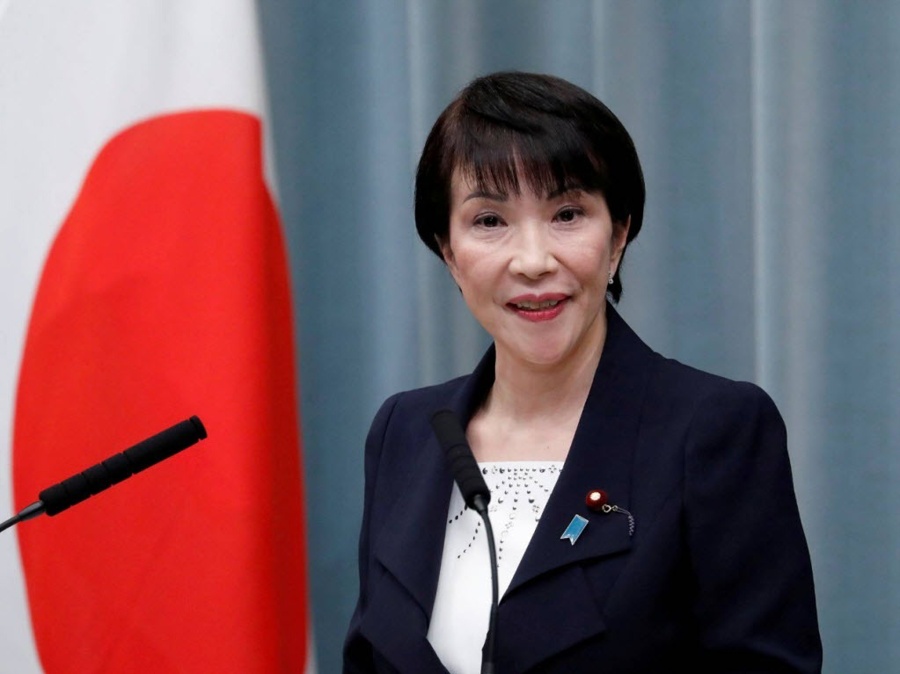
Pressure on equities intensified after Japanese government bond yields surged to record highs, following Prime Minister Sanae Takaichi’s formal call for a snap general election on February 8. As part of her campaign platform, Takaichi pledged to suspend the sales tax on food, a move that heightened investor concerns about fiscal discipline and future government borrowing needs. Those concerns quickly fed through to the bond market, lifting yields and undermining equity valuations.
External risks compounded the negative tone. With US markets closed for a public holiday, sentiment in Asia tracked losses in Europe overnight after Donald Trump threatened to impose additional tariffs on several European countries unless Washington is allowed to purchase Greenland. The prospect of escalating trade frictions between the US and Europe weighed heavily on global risk appetite and spilled over into Japanese stocks.
Reuters cited market strategists warning that rising yields are becoming a key headwind for equities. Nomura Securities strategist Maki Sawada said higher interest rates are likely acting as a drag on stock prices, while tariff threats that hit European markets appear to be spreading into Asia.
Looking ahead, Nomura outlined a wide range of election-driven outcomes. A decisive victory for Takaichi’s ruling Liberal Democratic Party could spark a relief rally, while a loss of power would likely trigger a sharp sell-off. A narrow win, meanwhile, may leave equities largely range-bound as investors wait for clearer policy direction.