

Summary:
- Israel prepares expanded strike list targeting Iranian energy and infrastructure
- Plans contingent on U.S. approval, with Trump decision seen as pivotal
- Israeli officials sceptical diplomacy will succeed
- Ceasefire demands include full uranium handover and end to enrichment
- Netanyahu raised concerns directly with Trump in recent talks
- Military coordination discussed following rescue of U.S. pilots
- Signals parallel tracks of diplomacy and escalation
- Energy infrastructure focus raises renewed oil supply risk
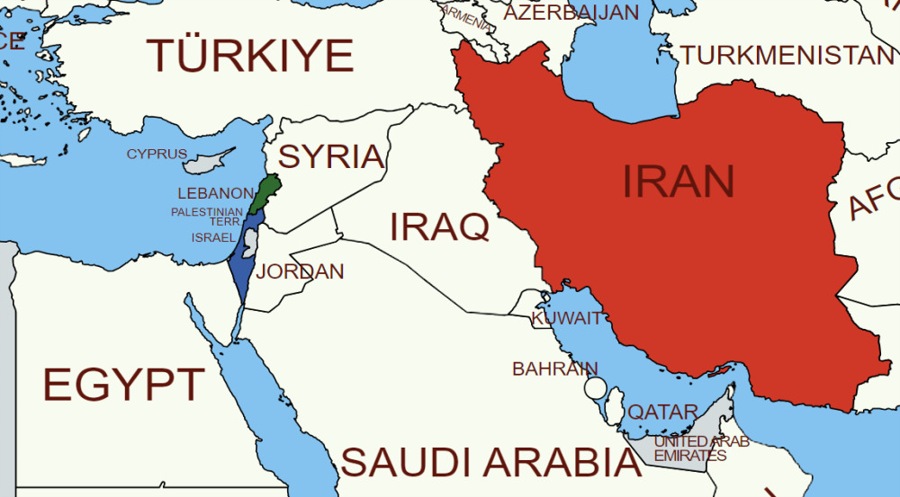
Israel has drawn up an expanded list of potential energy and infrastructure targets inside Iran as it prepares contingency plans in the event that U.S.-led diplomatic efforts fail, according to sources cited by CNN.
The plans, which would require U.S. approval before being executed, are being held in readiness as Israel awaits a decision from President Donald Trump on the next phase of the conflict. One Israeli security official indicated that further military options are already mapped out for the coming weeks, pending a “green light” from Washington.
The development underscores Israel’s deep scepticism over the prospects for a negotiated outcome. Officials believe the current diplomatic track is unlikely to produce a durable agreement and have reiterated stringent conditions for any ceasefire. These include a full transfer of Iran’s enriched uranium stockpile and a complete cessation of uranium enrichment activity, terms that would effectively dismantle Tehran’s nuclear programme.
Israeli Prime Minister Benjamin Netanyahu has communicated these concerns directly to Trump in recent discussions, highlighting what Israel views as the risks of a partial or temporary ceasefire that leaves Iran’s nuclear capabilities intact.
The latest coordination comes amid ongoing military operations and heightened tensions following the rescue of two American pilots who had been shot down over Iran. Netanyahu and Trump held a phone call on Sunday evening in which they discussed both the diplomatic outlook and the scope for further joint military coordination.
The reporting reinforces a broader market narrative that the current conflict remains highly fluid, with diplomacy and escalation tracks running in parallel. While negotiations continue, both directly and via intermediaries, military planning appears to be advancing simultaneously, suggesting that downside geopolitical risk remains firmly in play.
Crucially, the focus on energy and infrastructure targets raises the potential for renewed disruption to Iran’s production and export capacity. Any escalation along these lines would likely reintroduce a significant risk premium into oil markets, particularly given the strategic importance of regional supply flows through the Strait of Hormuz.
In this context, markets are likely to remain highly sensitive to signals from Washington. The timing and nature of any U.S. decision—whether to prioritise diplomacy or enable further military action, will be key in determining the near-term trajectory for energy prices, inflation expectations, and broader risk sentiment.






