The US House voted against tariffs this week and the Senate is expected to follow suit. They will surely be vetoed by President Trump but that move gives some cover to the Supreme Court ahead of its big decision on tariffs.
The court today announced that Feb 20, 24 and 25 will all be 'decision days' or days when they will render opinions. As a reminder, they don't pre-announce which cases they will be ruling on, so it could be tariffs and it could be one of the other dozens of cases before the court.
Officials have until June to make a decision but given the gravity of the tariffs, it's expected to come sooner. The decisions are rendered at 10 am ET or just afterwards so on those three days we will be standing by and markets will be holding their breath.
Previously, administration officials have signaled they could easily reconstitute tariffs but more recently, they toned down that rhetoric, highlighting that it could be difficult. That's a rare change of rhetoric and indicates the court decision could actually lower tariffs. If that's the case, it would clear the way for further Fed rate cuts and provide a double dose of good news for US companies.
The Major Questions Doctrine
Critical in the decision will be the reasoning of the court, particularly if that extends to some of the other measures the White House is considering. One of the avenues the court could go is the "major questions doctrine", something conservative justices pushed for in the Biden administration.
Under the doctrine, the Supreme Court has rejected agency claims of regulatory authority when the underlying claim of authority concerns an issue of "vast economic and political significance" and Congress has not clearly empowered the agency with authority over the issue
Challengers say this is a textbook major questions case. IEEPA shouldn't be read to give the president this power precisely because it would have such vast economic and political significance — and under the major questions doctrine, if Congress wants to give the president sweeping authority over matters of major economic and political significance, it has to say so clearly.
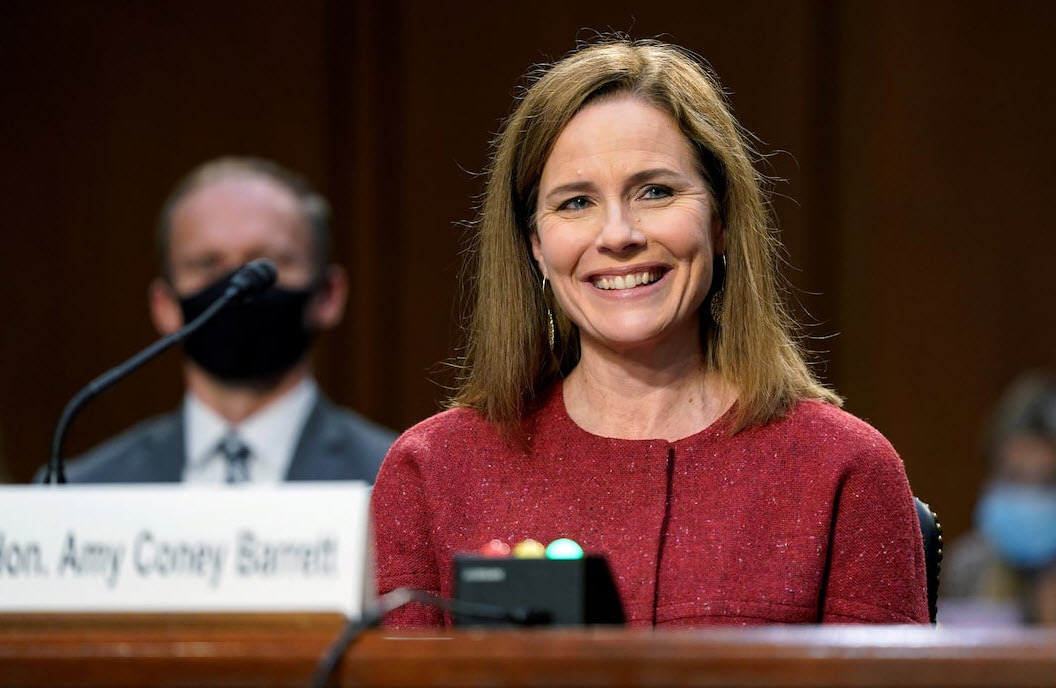
Justice Barrett asked a pointed question: whether the government could identify any other place in the US Code where the phrase "regulate importation" had been used to confer tariff-imposing authority. The Solicitor General struggled to answer.
When the government argued the major questions doctrine doesn't apply to foreign affairs, Justice Sotomayor shot back: "We have never applied it to foreign affairs, but this is a tariff. This is a tax."
That kind of reasoning might apply to any attempts to reconstitute tariffs if it's the reason tariffs are struck down.