Bearish for UK bonds (higher yields) and negative for growth outlook; supports inflation expectations and hawkish BoE repricing, with spillover risk to global fixed income markets.
Summary:
- UK PM Starmer convenes emergency “COBRA” meeting on Iran war fallout
- Finance minister Reeves and BoE Governor Bailey to attend
- Focus on energy security, inflation, and economic resilience
- UK particularly exposed due to reliance on imported gas
- Inflation risks seen rising toward ~5% amid energy price surge
- Market pricing shifts toward potential BoE rate hikes
- UK 10-year gilt yields surge above 5% for first time since GFC
- Investor concerns grow over fiscal vulnerability and support measures
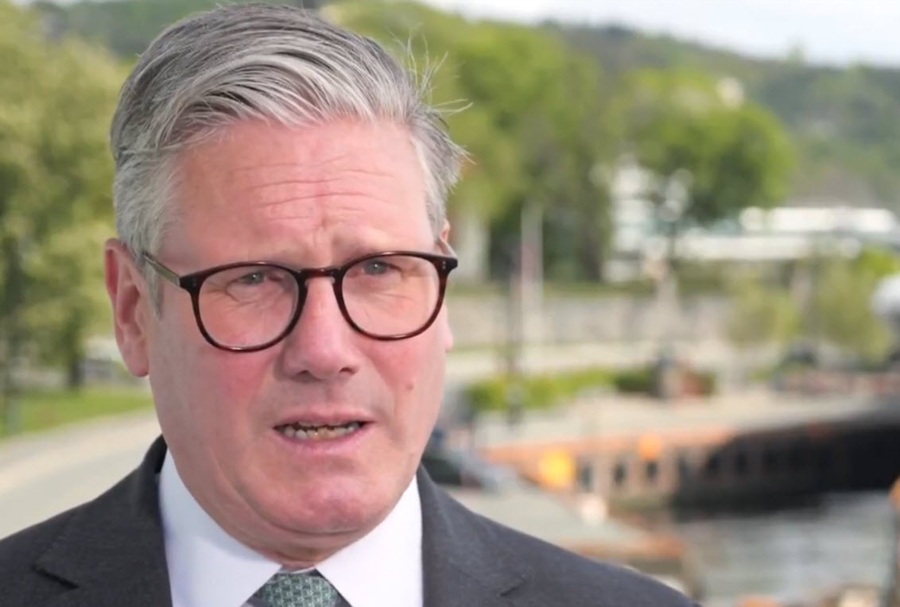
The UK government is stepping up its response to the escalating Iran conflict, with Prime Minister Keir Starmer set to chair an emergency meeting focused on the economic fallout and rising risks to financial stability.
The high-level “COBRA” meeting will bring together key policymakers including Chancellor Rachel Reeves and Bank of England Governor Andrew Bailey, alongside senior cabinet ministers responsible for foreign affairs and energy. Officials are expected to assess the impact of the crisis on households, businesses, energy security, and supply chains, as well as coordinate the UK’s broader international response.
The move comes as markets brace for heightened volatility, with geopolitical tensions threatening to trigger a renewed energy price shock. Iran has warned it could target energy and water infrastructure across the Gulf if tensions escalate further, raising the risk of sustained disruption to global oil and gas flows.
The UK is seen as particularly vulnerable to such shocks due to its heavy reliance on imported natural gas, persistent inflation pressures, and already strained public finances. Analysts say these factors have contributed to a sharper sell-off in UK government bonds compared with other major economies.
Bond markets have reacted aggressively. The yield on the UK 10-year gilt has surged above 5% for the first time since the global financial crisis, reflecting a rapid repricing of inflation and interest rate expectations. Initially, the sell-off was concentrated in shorter-dated bonds, but it has since broadened across the curve, suggesting rising concerns about both monetary policy tightening and fiscal sustainability.
Economists warn that the surge in energy prices could push UK inflation back toward 5% later this year, reversing recent progress and complicating the Bank of England’s policy outlook. Markets have already shifted from expecting rate cuts to pricing in the possibility of further tightening, although policymakers have signalled it is too early to commit to a specific path.
At the same time, the government faces mounting pressure to support households and businesses through another cost-of-living squeeze. While targeted measures are being considered, broader fiscal intervention risks undermining efforts to stabilise public finances, potentially forcing difficult policy trade-offs in the months ahead.
Analysts say the combination of geopolitical risk, inflation pressures, and fiscal constraints is pushing the UK into a more fragile position, with markets increasingly sensitive to any signs of policy missteps as the crisis evolves.
-
COBRA (Cabinet Office Briefing Rooms) is the UK government’s emergency response committee, convened to coordinate decision-making during major crises such as security threats, natural disasters, or economic shocks. Chaired by the Prime Minister or a senior minister, it brings together key officials, including ministers, intelligence agencies, and relevant departments, to share information, assess risks, and agree on rapid policy responses. COBRA is not a standing body but is activated as needed to ensure a unified, cross-government approach during high-impact events.