Trump delays Iran energy strikes by 10 days, shifting markets to a deadline-driven risk event.
Summary:
- Trump pauses planned strikes on Iranian energy infrastructure for 10 days
- New deadline set for April 6, 8pm ET — now a key market catalyst
- Ongoing talks described as “going very well”
- Signals temporary de-escalation, not resolution
- Oil risk premium may ease but likely remains partially intact
- Markets shift from escalation fear → deadline-driven uncertainty
- Downside in oil limited; upside risk remains if talks fail
- Safe havens likely stabilise rather than unwind sharply
U.S. President Donald Trump announced a temporary pause in planned strikes on Iranian energy infrastructure, delaying any action by 10 days until April 6 at 8 p.m. Eastern Time, while signalling that diplomatic engagement remains active.
Trump stated that talks with Iran are ongoing and “going very well,” suggesting a potential window for de-escalation after weeks of intensifying military and geopolitical tensions across the Middle East. The decision effectively postpones what markets had feared could be a significant escalation targeting Iran’s energy sector, a move that risked triggering a broader supply shock through the Strait of Hormuz.
The pause introduces a short-term reprieve for global energy markets, particularly oil, where prices had embedded a growing geopolitical risk premium amid threats to shipping lanes and critical infrastructure. By delaying action, Washington appears to be testing whether backchannel or mediated discussions can produce a breakthrough, or at least prevent further escalation in the near term.
However, the fixed deadline reinforces that risks remain elevated. The April 6 cutoff now becomes a key focal point for markets, effectively acting as a binary catalyst: either diplomacy progresses, extending the pause or leading to a deal framework, or tensions re-escalate sharply if talks fail.
Importantly, this does not signal a shift in underlying strategy. The U.S. retains the option to resume strikes, and Iran has previously warned of retaliation against energy assets and shipping routes if attacked. As such, the broader geopolitical backdrop remains fragile.
For markets, this creates a near-term environment of cautious relief rather than full risk unwinding. Oil prices may ease modestly as immediate fears subside, but downside is likely limited given the proximity of the deadline and the potential for rapid escalation. Safe-haven demand, including gold, could also stabilise rather than reverse, while FX markets may continue to reflect a mild risk-on bias without fully pricing out geopolitical tail risks.
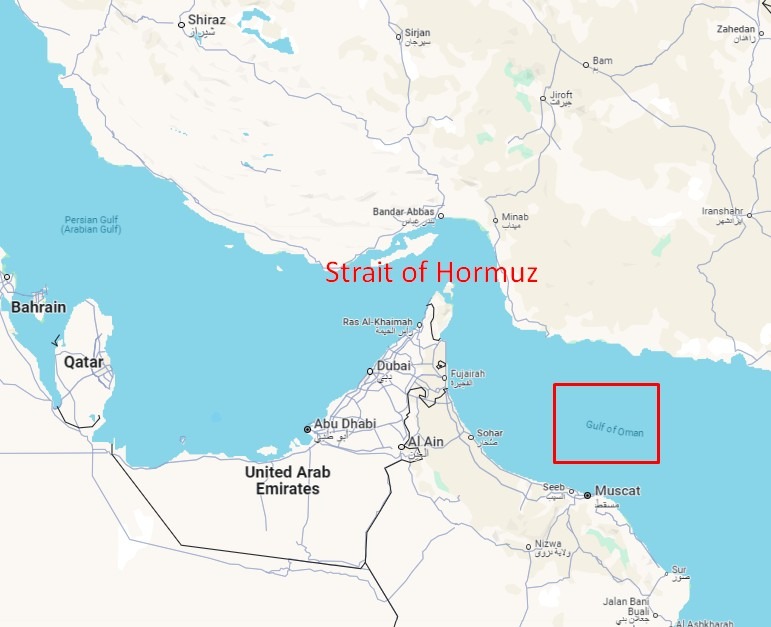
The oil price has been marked down on this. I'm just gonna wonder out loud, why? I am not reading anything in the statement to indicate that there will be more flow through the bottleneck Strait of Hormuz.