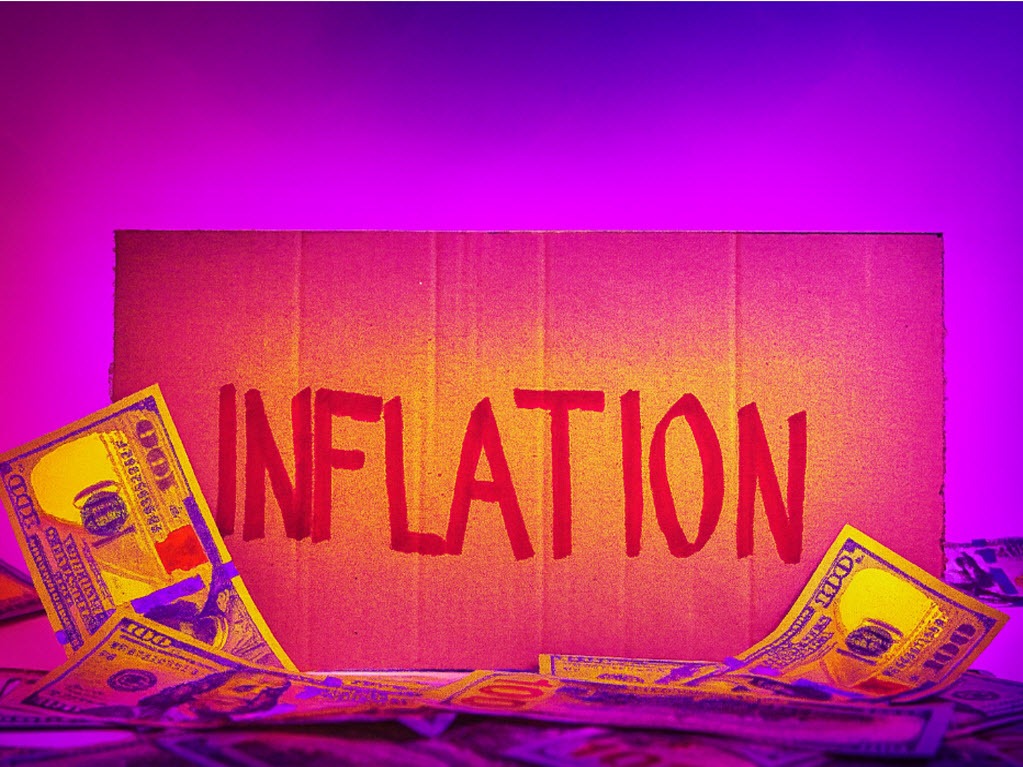
So, it's been about eight months already since "Liberation Day". How time flies. Yet, we're yet to see a significant bump to the overall inflation outlook in the US. Yes, higher prices have come but it hasn't quite translated too strongly to the overall narrative.
And as we look towards 2026, how will all of this change and what will be the inflation story for the year ahead?
The thing to remember about "Liberation Day" is that higher tariffs did not have an instant impact. It took time to filter through to prices and even until today, we're still yet to see the full extent of how those tariffs have driven up consumer prices.
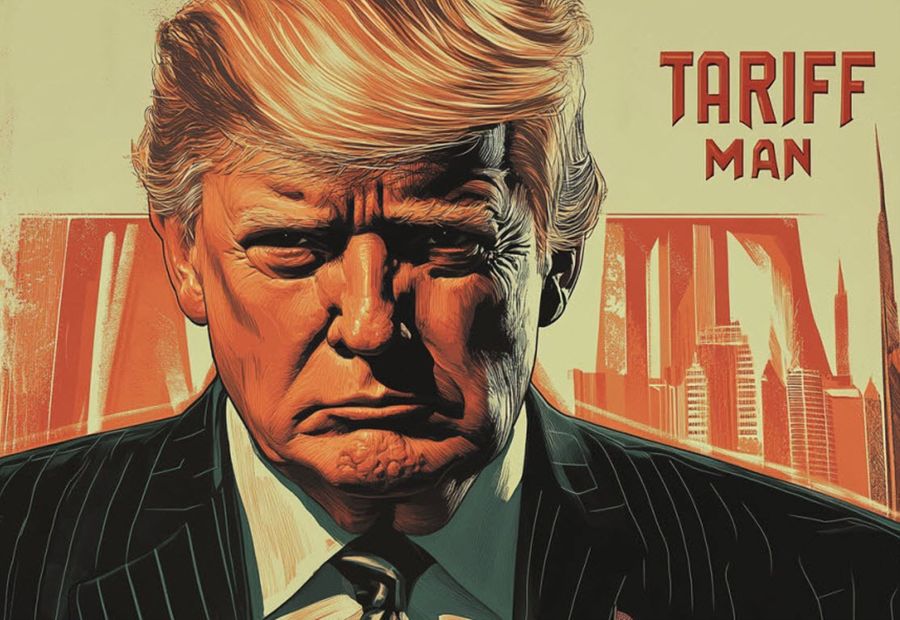
Core goods inflation is the one thing that's been slowly showing evidence of that. But otherwise, the overall inflation story is one that has been tamer than anticipated especially for all the fears surrounding Trump's tariffs before April this year.
Come next year, be wary of the inflation mirage. No, the consumer price index (CPI) isn't cooling in a meaningful way. Inflation isn't going away. It's just the fact that higher prices are here to stay and that we're reaching a new equilibrium level in terms of where prices should be. That especially in the second half of next year.
As mentioned above, Trump's tariffs did not have an instant impact. It's taking well over six months for things to filter through and that's the important thing to take note for market players.
All of this is going to impact the base effect calculation in how we derive the CPI next year, especially in the second half of the year onwards.
That in turn could see inflation data and the PCE as well drop significantly during the second half of 2026. And if the Fed hasn't already become politically corrupt by then, it could give them an easy way out in appeasing Trump to deliver more rate cuts.
Long story short, just be wary of the impact of base effects when reading into the CPI data in the second half of next year. That will account for the impact of Trump's tariffs that have slowly been filtering through to the economy over the last few months.
In other words, the year-on-year reading might show a cooling in terms of inflation. However, that's just the base effect talking. As such, the monthly data will be the more important metric to scrutinise when the time comes.
Just think of it this way, tariffs caused the price of a watch to increase from $20 to $25 this year. That's a 25% bump in "inflation". Come the same period next year, the price might still be at $25 and the "inflation" metric will show 0% instead.
Why is all of this important?
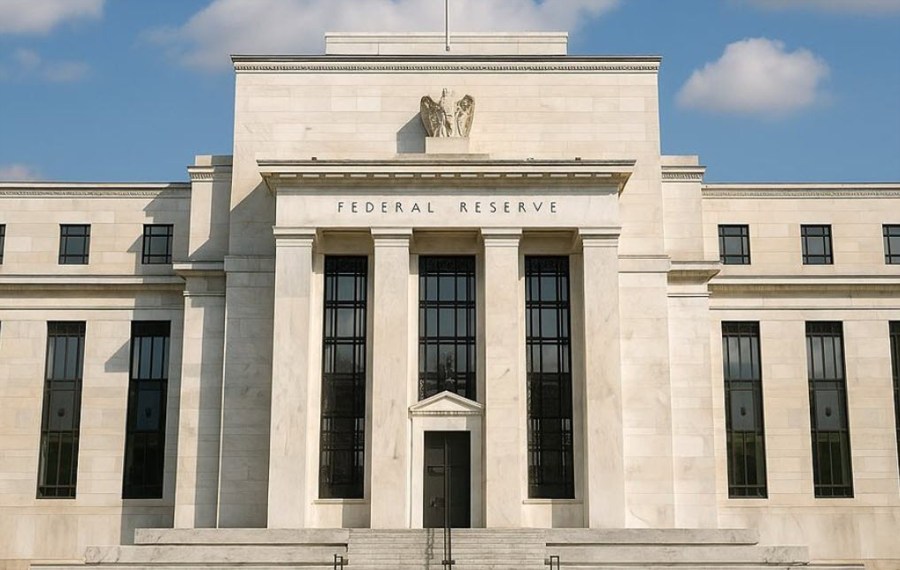
It plays into the Fed outlook of course. How will the central bank respond to all of this?
If pushing for rate cuts in the first half of the year proves difficult, this is one avenue that they could point to in making sure that their policy fits with Trump's agenda. That as they continue to strive towards a neutral rate of what most people seem to think it's at around 3%.
So, should and would the Fed look through the base effects and stick to its guns on policy? Or will the new Fed chair deliver on Trump's agenda and use this as a key selling point?
In any case, the reality of the situation will remain that lower inflation does not mean lower prices. That's the reality of the world we've been living in for the past decades.