Summary
- Japan signals greater focus on fiscal sustainability
- Debt-to-GDP reduction framed as confidence booster
- Tax relief costs revised higher
Japan’s Finance Minister Katayama signalled a renewed emphasis on fiscal discipline when outlining priorities for compiling the next fiscal year’s budget, highlighting the need to balance policy support with long-term sustainability and market confidence.
Speaking on Friday, Katayama said the government would take fiscal sustainability into account “to some extent” when preparing the upcoming budget, an acknowledgement of growing scrutiny over Japan’s public finances as interest rates rise and debt servicing costs edge higher. Japan’s debt-to-GDP ratio remains the highest among advanced economies, leaving fiscal policy closely intertwined with monetary policy and market sentiment.
Katayama said the government aims to boost market confidence by lowering the debt-to-GDP ratio, reinforcing messaging that fiscal credibility remains a priority even as policymakers consider measures to support households and growth. While the comments stopped short of committing to specific consolidation targets, they suggest a cautious approach to budget expansion following years of pandemic-era stimulus and elevated spending.
The finance minister also highlighted the fiscal trade-offs associated with proposed tax relief measures. The Ministry of Finance now estimates that lifting the tax-free income threshold would reduce annual tax revenue by around ¥650 billion, significantly more than its earlier estimate of ¥400 billion. The revision underscores the budgetary cost of measures aimed at easing household tax burdens, particularly at a time when inflation and wage dynamics remain in flux.
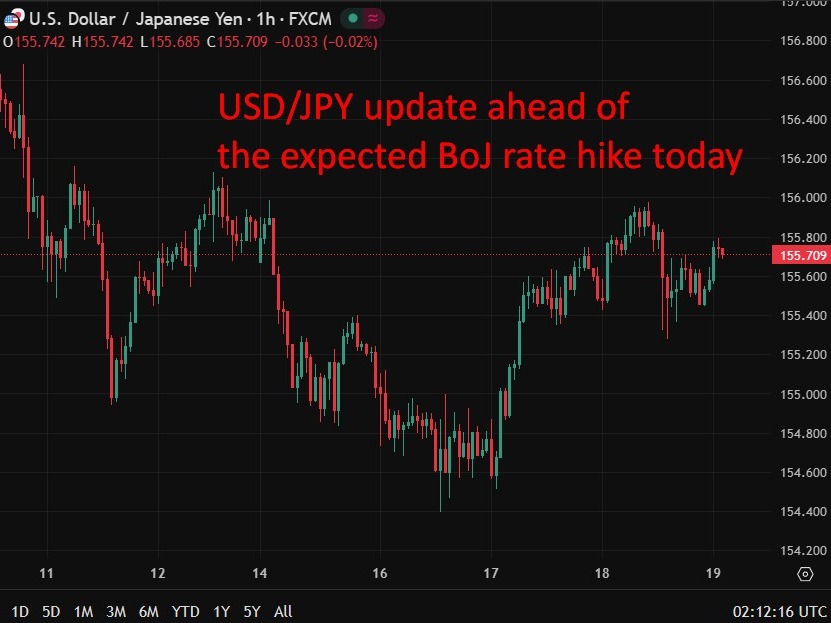
For markets, the remarks are notable against the backdrop of an expected Bank of Japan rate hike and rising Japanese government bond yields. A stronger focus on fiscal sustainability could help reassure investors concerned about the interaction between higher rates and Japan’s debt load, particularly if policy normalisation continues gradually. Katayama said there is no gap in thinking with Bank of Japan Governor Ueda, that finance ministry communications with Bank have been very positive.
At the same time, the government faces competing pressures: maintaining fiscal credibility while responding to political demands for tax relief and economic support. How those tensions are resolved in the final budget will be closely watched by bond investors, rating agencies and currency markets alike.
Overall, Katayama’s comments suggest the government is keenly aware that fiscal policy will play an increasingly important role in anchoring confidence as Japan transitions away from ultra-loose monetary settings.