Australia data show resilient spending but rising inflation and softer labour demand.
Summary:
- Household spending +0.3% m/m in Feb, ahead of expectations
- Annual spending growth steady at 4.6%
- Services spending strong, goods modest
- Data predates energy-driven inflation shock
- TD-MI inflation gauge surges 1.3% m/m in March
- Signals renewed inflation pressures, likely fuel-driven
- Job ads fall 3.1% m/m, reversing prior gain
- Labour demand softening, especially in consumer sectors
Australian household spending showed continued resilience through February, though incoming data suggest rising inflation pressures and early softening in labour demand could complicate the outlook.
Data from the Australian Bureau of Statistics showed the Monthly Household Spending Indicator rose 0.3% m/m in February, matching January’s pace and slightly exceeding expectations. Annual growth held steady at 4.6%, indicating consumption remained firm despite a still-challenging cost-of-living backdrop.
The detail pointed to a continued shift toward services. Spending on services rose 0.5%, led by travel, accommodation and recreational activities, while goods spending edged up just 0.1%, supported by essentials such as food, health-related items and recreation goods. The data suggest households are still willing to spend, particularly on experiences, even as real income pressures persist.
However, the spending data predates a sharp escalation in global energy prices linked to the Middle East conflict, which is expected to feed through to both inflation and consumption in coming months.
That inflation impulse is already starting to show. The TD-MI Inflation Gauge surged 1.3% m/m in March, a sharp reversal from the prior 0.2% decline and one of the strongest monthly increases in recent years. The jump points to mounting price pressures, likely driven by fuel and energy-related costs, and reinforces the risk that inflation could re-accelerate after showing signs of moderation earlier in the year.
At the same time, labour market indicators are showing tentative signs of cooling. The ANZ-Indeed Job Ads fell 3.1% m/m in March, reversing a strong 3.2% increase in February and slipping slightly below year-ago levels. The decline was concentrated in consumer-facing sectors such as retail, healthcare and education, while more specialised roles in engineering and project management held up.
Notably, job ads in sectors directly exposed to global trade disruptions, such as logistics and transport, were broadly stable, suggesting the impact of geopolitical tensions has yet to fully flow through to hiring decisions.
Taken together, the data paint a mixed picture. Household demand remains resilient, but inflation pressures are building again, while labour demand is showing early signs of softening. This combination points toward a more stagflationary backdrop, where growth moderates even as price pressures intensify.
For the Reserve Bank of Australia, the implications are clear. While activity has not yet rolled over, the renewed inflation pulse—particularly if sustained by energy costs—reinforces the case for keeping policy restrictive, even as forward-looking indicators suggest the economy may begin to lose momentum.
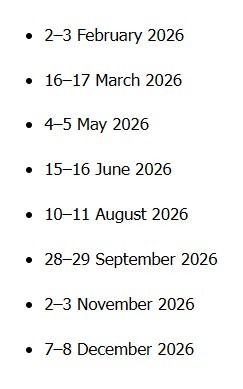
Next RBA meeting is the first week of May.