Japan’s top officials have stepped up coordinated yen warnings, signalling rising intervention risk as authorities push back against rapid and one-sided FX moves.
Summary
Japan’s intervention rhetoric has intensified across senior officials
Chief Cabinet Secretary Minoru Kihara flagged concern over one-sided FX moves
Finance Minister Satsuki Katayama warned over the weekend she may engage markets and intervene if needed
Top currency diplomat Atsushi Mimura reinforced the message Monday with “high urgency” language
Authorities are drawing a clear line against disorderly yen weakness after the election
Japan’s government has stepped up its defence of the yen, with senior officials delivering layered and coordinated warnings that intervention remains firmly on the table as currency volatility persists following the country’s election.
The latest signal came from Chief Cabinet Secretary Minoru Kihara, who said authorities were concerned about one-sided and rapid moves in the foreign exchange market. Kihara added that the government was watching FX developments with a high sense of urgency and would continue to remain in dialogue with markets, language typically reserved for periods when officials are seeking to deter speculative momentum.
Kihara’s remarks follow a weekend warning from Finance Minister Satsuki Katayama, who said she stood ready to communicate with markets on Monday if needed to stabilise sentiment. Katayama stressed that Japan remains closely coordinated with the United States on currency matters, noting her ongoing contact with US Treasury Secretary Scott Bessent and reaffirming that authorities retain the right to act against moves that deviate from fundamentals.
She also addressed speculation around the use of Japan’s foreign exchange reserves, cautioning that any decision to tap reserves must be handled with a “professional” approach given their central role in intervention operations. While acknowledging reserves could be an option amid sharp yen moves, Katayama underscored the government’s commitment to fiscal sustainability and market stability.
That message was reinforced earlier on Monday by Atsushi Mimura, Japan’s vice finance minister for international affairs and the country’s top currency diplomat. Mimura said authorities were closely watching FX movements with a high sense of urgency and were always in dialogue with markets, remarks widely interpreted as explicit verbal intervention. As head of the relevant bureau at the finance ministry, Mimura is the official who would direct the Bank of Japan to conduct yen-buying operations if intervention were authorised.
Together, the comments from Katayama, Mimura and now Kihara form a clear escalation ladder: political oversight from the cabinet, operational authority from the finance ministry, and tactical readiness through the BoJ. The stepped-up rhetoric comes after Sanae Takaichi’s landslide election win revived expectations of expansionary fiscal policy, a backdrop that has added to downward pressure on the yen.
For markets, the coordinated messaging suggests Japanese authorities are increasingly uncomfortable with speculative or disorderly moves near recent extremes in USD/JPY. While officials have stopped short of signalling imminent action, the breadth and consistency of the language point to a low tolerance for further sharp depreciation, particularly if moves accelerate.
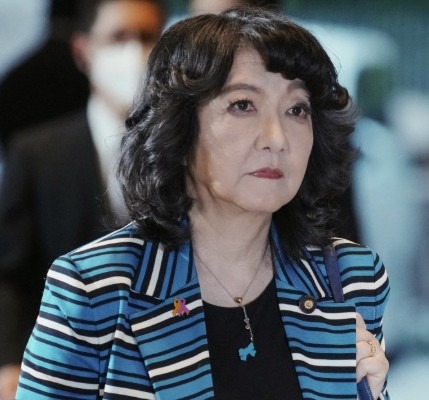
Katayama is Japan finance minister