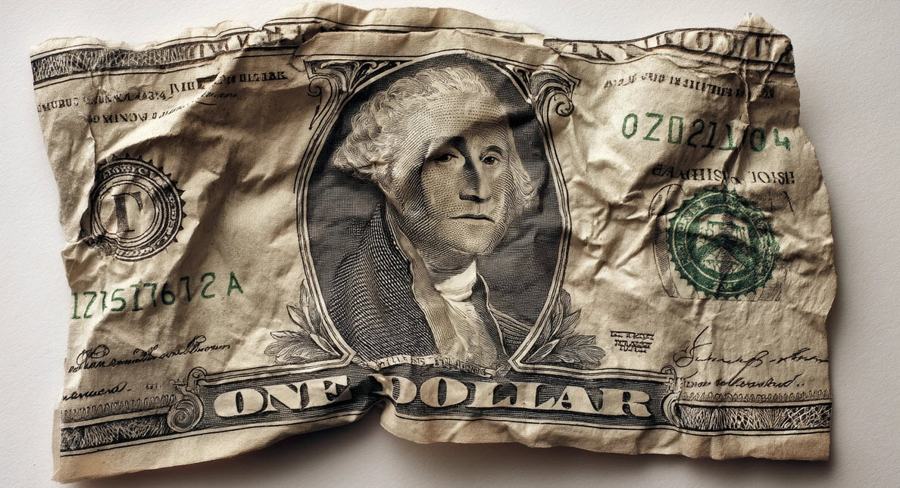
Barclays warns the US dollar faces growing downside risks as markets price a rising risk premium despite US economic strength.
Summary:
Barclays sees a rising risk premium weighing on the US dollar
Dollar weakness persists despite US economic outperformance
Yen seen as having more scope to strengthen than the euro
Asian currencies may benefit from diversification flows
Fed rate decisions remain a key catalyst for dollar direction
The US dollar is facing a growing risk premium despite the US economy continuing to outperform many of its global peers, according to strategists at Barclays, highlighting a widening disconnect between the greenback and underlying economic fundamentals.
Barclays argues that while strong growth and relative resilience would normally support the dollar, currency markets are increasingly pricing in broader policy, geopolitical and fiscal uncertainties. Historical precedents suggest that such periods of decoupling between exchange rates and fundamentals can persist longer than expected, allowing the dollar to weaken further even in the absence of a clear deterioration in US economic performance.
A softer dollar inevitably implies stronger counterpart currencies, but Barclays cautions that not all major currencies have equal scope to absorb further gains. The Japanese yen is seen as having more room to appreciate, reflecting both valuation considerations and its sensitivity to shifts in global risk sentiment. By contrast, the euro is viewed as already trading at elevated levels once the potential impact of US tariffs on European goods is factored in, limiting upside from here.
Elsewhere, Barclays sees scope for several Asian currencies to benefit from ongoing dollar depreciation. As global investors rebalance portfolios away from the US, emerging market assets in Asia could attract increased inflows, offering relative support to regional FX markets.
Looking ahead, monetary policy remains central to the outlook. Barclays notes that market pricing currently reflects expectations for two interest rate cuts from the Federal Reserve this year. Any deviation from that path — either fewer cuts if inflation proves sticky, or deeper easing if growth slows — could materially alter investor positioning in the dollar.
For now, the bank sees risks tilted toward continued dollar softness as markets grapple with an expanding risk premium and shifting global capital flows.