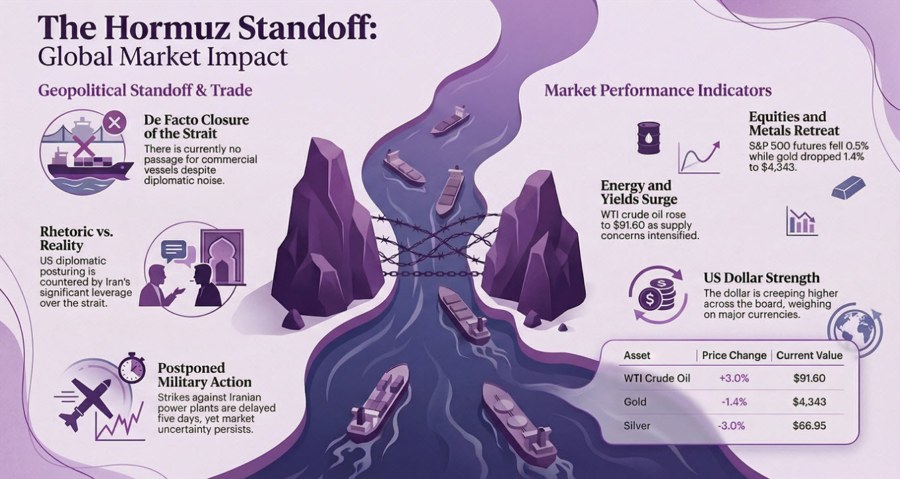
Diplomatic efforts to end the Iran war are underway but remain fragmented and uncertain, with the U.S. pursuing a dual-track approach of negotiations and military pressure. Iran has rejected proposed terms, regional players are divided, and troop build-ups suggest escalation risks remain high.
Summary:
- The U.S. has floated a potential multi-point framework to end the Iran war via Pakistan, but details remain unconfirmed and contested.
- Iran has rejected the proposal and set its own conditions, while warning negotiations may be cover for a ground invasion.
- U.S. rhetoric remains mixed: officials signal talks, while President Trump emphasises continued military pressure.
- A growing U.S. troop buildup and planning for potential limited ground operations underscores escalation risk.
- Regional divisions persist: Gulf states want lasting constraints on Iran, while Israel appears wary of a premature deal.
Diplomatic efforts to end the Iran war remain fluid and deeply uncertain, with competing narratives emerging from Washington, Tehran and regional stakeholders as both negotiations and military preparations intensify.
The United States has reportedly outlined a broad framework for ending the conflict via Pakistan, including curbs on Iran’s nuclear and missile programmes, a halt to proxy support, and the reopening of the Strait of Hormuz in exchange for sanctions relief and support for civilian nuclear development. However, the White House has stopped short of confirming the full details, with officials suggesting that some reported elements are inaccurate.
Public messaging from Washington reflects a dual-track strategy. While U.S. officials continue to signal that discussions are underway, led by senior envoys including Steve Witkoff and involving key figures across the administration, President Donald Trump has simultaneously stressed that military operations are ongoing and could intensify. He has indicated that the U.S. is continuing to strike targets and retains additional objectives, pushing back against any perception that Washington is seeking a quick deal from a position of weakness.
Tehran, however, has rejected the U.S. proposal and denied that formal negotiations are taking place. Iranian officials have instead outlined their own conditions for ending the conflict, including an end to attacks by the U.S. and Israel, compensation for war damage, and recognition of Iran’s control over the Strait of Hormuz. The tone from Iran’s leadership remains highly sceptical, with senior figures arguing that diplomatic overtures may be a cover for a potential U.S. ground campaign.
That scepticism is reinforced by developments on the ground. The United States is increasing its military footprint in the region, with thousands of Marines deployed or en route, alongside reports that contingency planning is underway for limited ground operations focused on strategic targets such as Kharg Island, a critical hub for Iran’s oil exports.
Regional dynamics further complicate the outlook. Israel has signalled support for achieving war objectives through an agreement but appears cautious about any deal that falls short of fully neutralising Iran’s capabilities. Gulf states are broadly aligned in seeking a more comprehensive outcome that addresses Iran’s nuclear, missile and proxy networks, though divisions remain over whether to prioritise a ceasefire or support continued military pressure.
Taken together, the current landscape reflects a conflict that is not yet close to resolution. Diplomatic channels are active, but deeply contested, while military escalation risks remain elevated. For now, negotiations appear less like a clear pathway to peace and more like one component of a broader strategy unfolding alongside continued conflict.