U.S. eases Cuba oil blockade in sign of energy-driven policy flexibility. Maybe.
Summary:
- The U.S. is allowing a Russian crude tanker to reach Cuba, marking a targeted easing of its de facto oil blockade, according to The New York Times.
- The move comes as Washington temporarily relaxes some Russia-related restrictions to stabilise global oil flows disrupted by the Iran war.
- The shipment (≈650–730k barrels) provides critical relief to Cuba, which has faced months without imports and severe fuel rationing.
- The decision appears tactical, balancing geopolitical pressure with energy market stability concerns.
- Highlights how the Iran conflict is forcing policy flexibility across sanctions regimes.
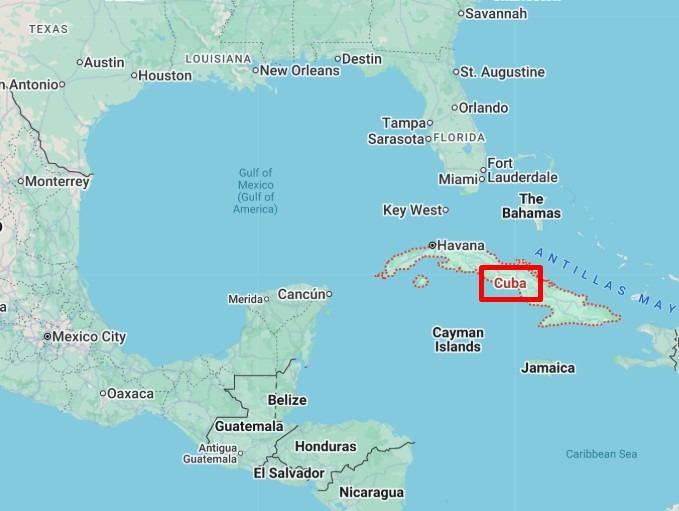
The United States has taken a notable step toward easing energy pressures in the Caribbean, allowing a Russian oil tanker to proceed to Cuba despite an ongoing de facto blockade on fuel shipments to the island, according to a report by The New York Times.
The vessel, identified as the Anatoly Kolodkin, departed Russia’s Primorsk port carrying between 650,000 and 730,000 barrels of crude oil and is en route to Cuba, according to shipping data and the report. The decision marks a departure from Washington’s recent policy stance, which has effectively restricted oil flows to Cuba in an effort to increase pressure on the government in Havana.
The shift comes against the backdrop of a broader global energy disruption triggered by the Iran war. Military strikes involving the United States and Israel have constrained supply from the Middle East, tightening oil markets and forcing policymakers to reassess the balance between geopolitical objectives and energy stability. In this context, the U.S. has also temporarily eased certain sanctions affecting Russian oil flows, suggesting a pragmatic recalibration aimed at preventing further strain on global supply chains.
For Cuba, the shipment represents a critical lifeline. The country has reportedly gone three months without oil imports, leading to acute fuel shortages, strict rationing of gasoline, and repeated power outages across the island. The arrival of a cargo of this size is expected to provide meaningful, albeit temporary, relief to an economy already under significant stress.
The rationale behind Washington’s decision remains unclear, but the move underscores the extent to which energy security considerations are beginning to override rigid sanctions frameworks. Allowing the shipment to proceed may reflect a desire to alleviate humanitarian and regional stability risks, particularly as the broader conflict continues to disrupt supply flows.
More broadly, the episode highlights a growing theme in global energy markets: sanctions are becoming more flexible and situational as governments respond to supply shocks. Rather than a binary enforcement approach, policymakers are increasingly calibrating restrictions to balance strategic objectives with the need to maintain adequate energy availability.
For markets, the development is less about Cuba itself and more about what it signals. It reinforces the idea that the current energy shock is significant enough to prompt tactical policy adjustments, even among countries maintaining otherwise strict sanction regimes. That flexibility could act as a partial buffer against further supply tightening, though it also introduces a higher degree of policy unpredictability into the outlook.