Summary:
- UAE ADNOC chief labels Hormuz disruption “economic terrorism”
- Strong escalation in geopolitical rhetoric
- Warns global consumers bear cost of disruptions
- Highlights inflation impact via energy channels
- Strait of Hormuz remains critical chokepoint
- Signals harder stance from regional producers
- Ceasefire headlines contrasted by rising tensions
- Risk premium likely to remain elevated
From an overnight speech delivered by Adnoc ceo Sultan al Jaber in the US: “Two futures are competing for the Middle East: one exports instability, the other builds industry.”
War rhetoric in the Middle East is continuing to intensify, with UAE energy chief Sultan Al Jaber delivering some of the strongest language yet on the risks posed by disruptions in the Strait of Hormuz.
Speaking amid ongoing conflict and heightened tensions in the region, the ADNOC CEO warned that any attempt to weaponise the critical shipping corridor amounts to “economic terrorism,” underscoring the growing alarm among energy producers over threats to global supply chains.
Al Jaber said that when Iran effectively holds the Strait of Hormuz hostage, the impact is felt far beyond the region, with costs passed through to consumers globally — from fuel prices to everyday goods and pharmaceuticals. The comments highlight how deeply interconnected energy flows are with broader inflation dynamics, particularly at a time when global markets are already grappling with elevated price pressures.
The rhetoric marks a notable escalation, reflecting not just concern over physical supply disruptions but also the broader economic consequences of prolonged instability. The Strait of Hormuz remains one of the world’s most critical energy chokepoints, handling a significant share of global oil and liquefied natural gas shipments.
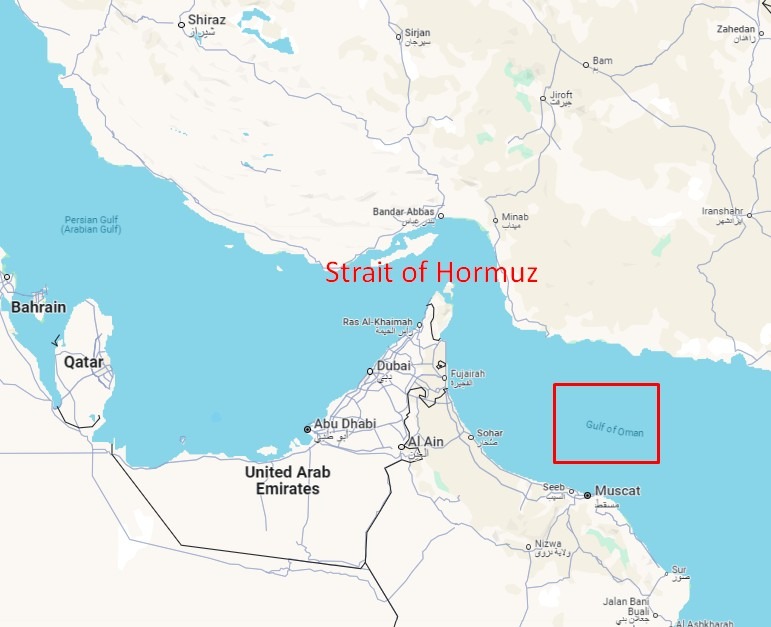
Al Jaber also stressed that no country should be allowed to destabilise the global economy in such a manner, reinforcing a hardening stance among regional producers and potentially signalling growing support for stronger international responses to secure shipping lanes.
For markets, the language adds to an already fragile backdrop. While recent headlines around ceasefire discussions have intermittently eased risk sentiment, such forceful commentary from key energy officials suggests that underlying tensions remain elevated and unresolved.
The escalation in rhetoric is likely to keep geopolitical risk premiums embedded in oil markets, with traders increasingly focused not just on current disruptions, but on the risk of further actions that could materially impact supply flows through Hormuz.