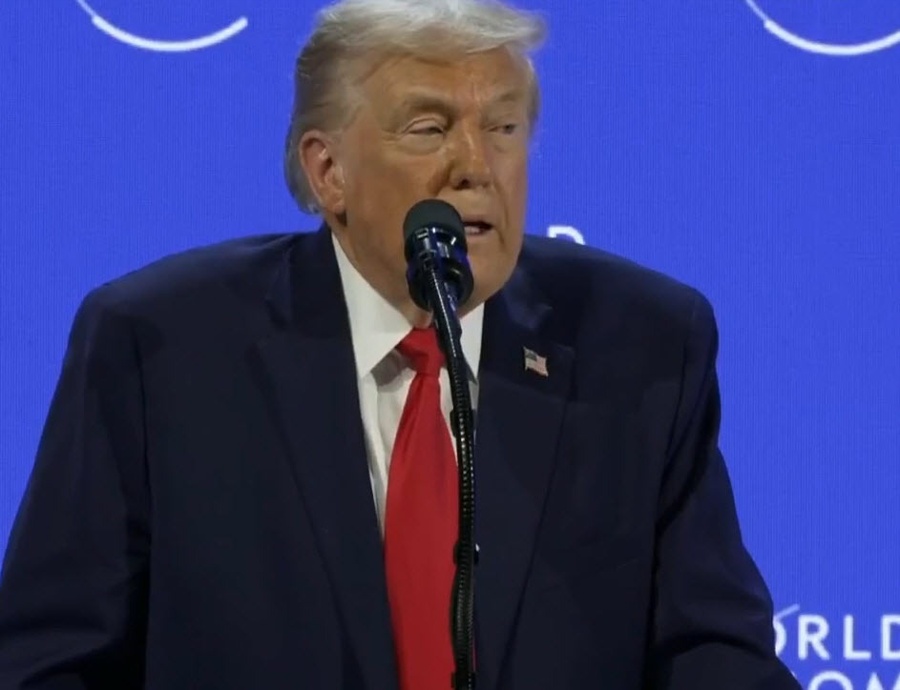
Trump said U.S.-Iran talks are progressing well and could deliver a deal soon, while noting uncertainty remains. He also flagged the potential reopening of limited oil flows through Hormuz, signalling tentative de-escalation.
Summary:
- Donald Trump says the U.S. is negotiating with Iran both directly and indirectly.
- Claims progress is strong, stating talks are “doing extremely well” and a deal could come soon.
- Says Iran has allowed 20 oil tankers through the Strait of Hormuz, suggesting limited easing in flows.
- However, adds uncertainty, noting a deal is not guaranteed.
- Reinforces ongoing two-track approach: diplomacy alongside conflict risk
U.S. President Donald Trump signalled tentative progress in efforts to end the conflict with Iran, stating that negotiations are underway through both direct and indirect channels, while cautioning that an agreement is not assured.
Speaking in remarks on Sunday, Trump said discussions with Tehran are “doing extremely well” and expressed optimism that a deal could be reached “pretty soon.” His comments suggest an intensification of diplomatic engagement, with talks reportedly taking place both through intermediaries and via more direct contact.
In a potentially market-relevant development, Trump also said Iran has allowed 20 oil tankers to transit the Strait of Hormuz, with flows expected to begin as soon as the following morning. If confirmed, this would represent a modest easing of the disruption that has gripped one of the world’s most critical energy chokepoints since the conflict began, where shipping activity has been severely constrained.
However, Trump tempered his optimism by acknowledging that a deal is not guaranteed, underscoring the fragile and fluid nature of the negotiations. The mixed messaging reflects the broader dynamic that has characterised the conflict: a simultaneous push toward diplomacy alongside persistent geopolitical risks and ongoing military activity.
The latest comments come amid continued uncertainty over the trajectory of the war, with markets closely tracking any signs of progress toward reopening the Strait of Hormuz and stabilising global energy flows. While the suggestion of improving negotiations may provide some relief to risk sentiment, the lack of clarity around timing and outcomes means that investors are likely to remain cautious.
Overall, the remarks reinforce the prevailing narrative of a conflict at a potential inflection point, where diplomatic progress is emerging but remains uncertain and highly dependent on developments in the days ahead.