
Trump warned Iran is advancing missile and nuclear ambitions despite negotiations, demanding a clear pledge against nuclear weapons in a record-length State of the Union.
Summary:
Trump accuses Iran of advancing missile capabilities
Claims Tehran pursuing longer-range systems
Says negotiations ongoing but incomplete
Says he prefers diplomacy towards a solution
Seeks explicit renunciation of nuclear weapons
US forces positioned in region
Speech sets new length record
President Donald Trump used his State of the Union address to accuse Iran of continuing to pursue missile and nuclear capabilities, despite prior US efforts aimed at curbing its weapons programs.
Speaking before a joint session of Congress, Trump said Tehran had already developed missiles capable of threatening Europe and US military installations overseas, and was now working on systems that could potentially reach the American mainland. He argued that previous warnings had failed to deter Iran from reviving elements of its weapons development agenda.
The president said the United States remains engaged in negotiations with Tehran, which is his preference, but indicated dissatisfaction with the current state of talks. He suggested that while diplomacy is ongoing, he has not yet received what he described as a clear and definitive assurance that Iran would permanently forgo nuclear weapons development, a commitment he characterised as his preferred outcome.
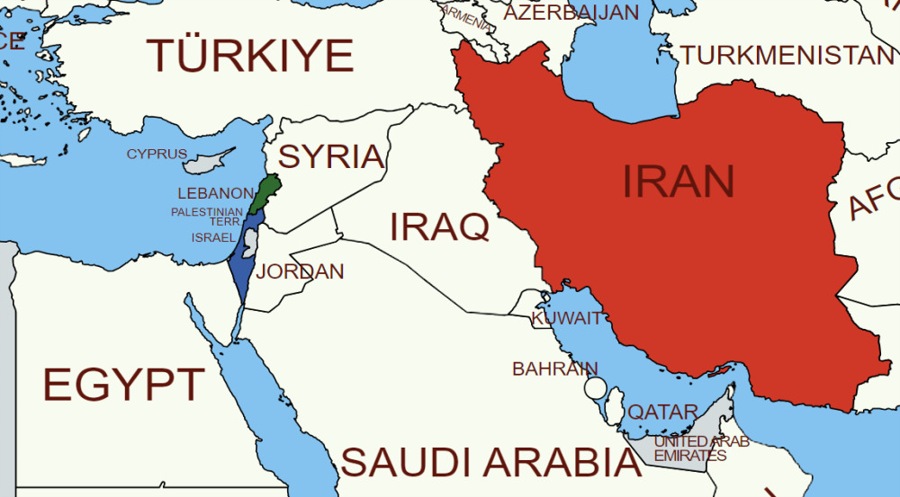
Trump’s remarks come at a time of heightened tension in the Middle East, with US forces positioned in the region and diplomatic channels active but fragile. The administration has repeatedly signalled that while it prefers a negotiated solution, it retains other options should talks fail to produce results.
The speech also marked a procedural milestone: Trump set a new record for the longest State of the Union address in modern history, underscoring the breadth of topics covered, including foreign policy, trade, domestic security and economic strategy.
Markets and foreign-policy observers will now watch closely for any tangible shifts in US-Iran negotiations, particularly whether rhetoric hardens further or gives way to more defined diplomatic benchmarks.
