
S&P warns energy shock from Middle East conflict could hit global growth
Summary:
S&P flags Middle East conflict as key macro risk to global growth
Disruption to oil production and Hormuz flows seen as major downside
Energy shock expected to weaken growth and fiscal dynamics in 2026
Base case assumes conflict is temporary, limiting long-term damage
Highlights vulnerability of global economy to energy supply shocks
Reinforces stagflation risk: weaker growth alongside higher inflation
S&P Global Ratings has underscored the growing macroeconomic risks stemming from the Middle East conflict, warning that disruptions to energy supply and shipping routes could weigh on global growth and fiscal stability in the year ahead.
While the agency affirmed Kuwait’s sovereign ratings, the broader message centred on the potential economic fallout from the conflict, particularly if oil production or flows through the Strait of Hormuz are materially disrupted. Such outcomes would likely feed directly into weaker growth, tighter fiscal conditions, and heightened volatility across global markets.
At the core of S&P’s assessment is the risk of an energy-driven shock. The Strait of Hormuz remains a critical chokepoint for global oil supply, and any sustained disruption would have far-reaching consequences, lifting prices and amplifying inflation pressures across energy-importing economies. This dynamic raises the prospect of a more challenging macro backdrop, where growth slows even as price pressures persist.
S&P’s base-case scenario assumes that the conflict and associated threats to infrastructure will ease within weeks, limiting the duration of the shock. However, even under this assumption, the agency expects growth to moderate into 2026–2027, reflecting the lingering impact of heightened uncertainty and potential supply disruptions.
The assessment reinforces a broader theme emerging across markets: geopolitical risk is once again a primary driver of macro conditions. Central banks and policymakers are likely to face a complex trade-off, as higher energy costs push inflation higher while simultaneously eroding growth.
In that sense, the risks outlined by S&P extend well beyond the region, pointing to a global environment increasingly exposed to energy volatility, supply constraints, and the possibility of renewed stagflationary pressures.
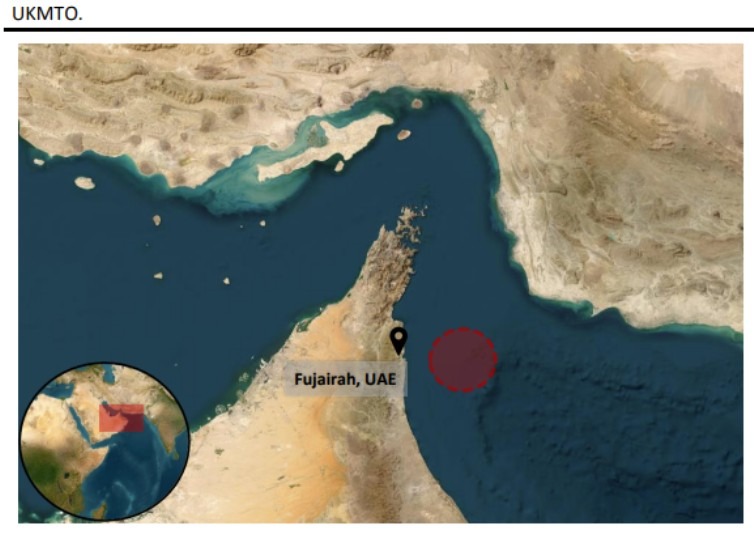
Hormuz remains closed to the vast bulk of shipping
