This keeps geopolitical risk premia elevated in oil. Even isolated incidents reinforce the vulnerability of Hormuz-linked shipping. Markets will watch for confirmation of attribution and whether attacks become more frequent or coordinated.
Summary:
- UKMTO reports tanker struck by unknown projectile near Dubai
- Incident occurred ~31 nautical miles northwest of Dubai
- Fire reported onboard after impact on starboard side
- All crew confirmed safe and accounted for
- Latest in series of maritime security incidents linked to Iran conflict
- Highlights ongoing risks to shipping near Strait of Hormuz
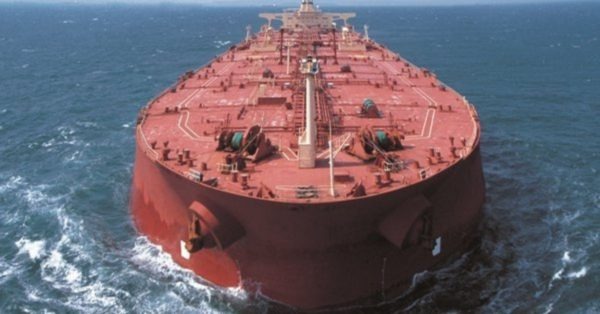
A commercial tanker was struck by an unknown projectile near the United Arab Emirates, according to the United Kingdom Maritime Trade Operations (UKMTO), in the latest sign of elevated risks to shipping in the Gulf region amid the ongoing Iran conflict.
UKMTO said it received a report of an incident approximately 31 nautical miles northwest of Dubai, where a company security officer confirmed that a projectile had hit the vessel on its starboard side, sparking a fire onboard. The organisation added that all crew members have been accounted for and are safe, with no immediate reports of casualties.
The incident comes against the backdrop of heightened tensions across the Middle East, where maritime routes — particularly those linked to the Strait of Hormuz — have become increasingly vulnerable. The waterway is one of the world’s most critical energy chokepoints, handling a significant share of global oil and LNG flows, making any disruption a key concern for markets.
UKMTO, which operates under the UK Royal Navy, acts as a primary coordination and reporting hub for merchant shipping in high-risk areas, providing alerts on potential threats such as attacks, suspicious approaches and navigational hazards. Its incident reports are closely monitored by ship operators, insurers and global markets as an early signal of risks to maritime security.
While details around the nature of the projectile and the identity of those responsible remain unclear, the strike fits a broader pattern of incidents involving missiles, drones and other asymmetric tactics targeting commercial vessels in the region. Such attacks have previously been linked to Iran-backed groups or attributed to escalation dynamics tied to the wider conflict.
The latest development underscores the fragile security environment in Gulf shipping lanes, with any sustained disruption raising the risk of tighter energy supply and renewed upward pressure on global oil prices.