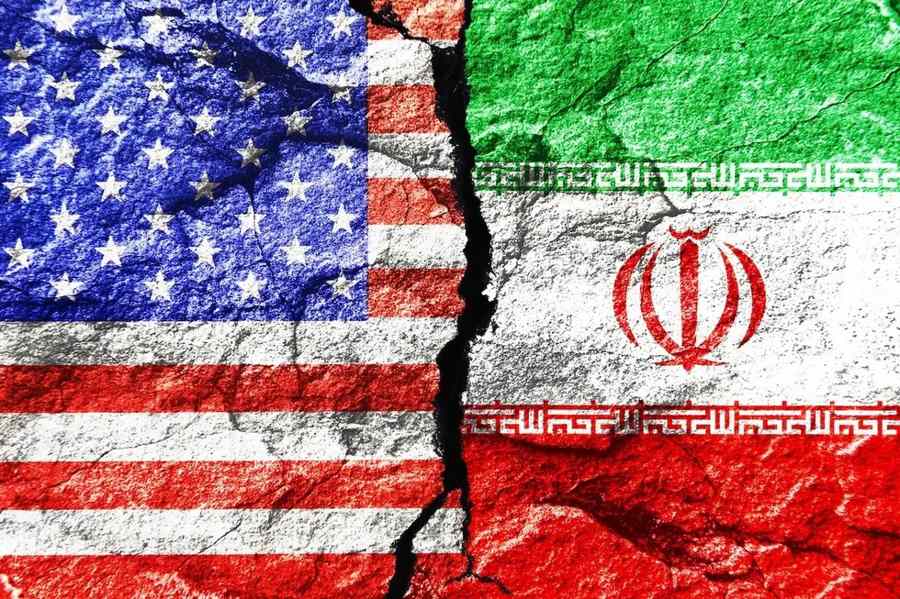
US-Iran gaps are said to have narrowed, but disputes over nuclear limits, uranium stockpiles, Hormuz access and sanctions relief remain unresolved, keeping prospects for a deal uncertain and risks to energy markets elevated.
Summary:
- Pakistan sources say US-Iran gaps narrowing
- Nuclear programme remains core disagreement
- US wants uranium custody; Iran rejects
- Hormuz blockade vs restrictions remains unresolved
- Iran demands sanctions relief and asset release
- War reparations add further complexity
Reports from Pakistani media suggest that gaps between the United States and Iran have narrowed in recent days, raising cautious optimism ahead of renewed talks. However, despite some progress, several major sticking points continue to prevent a breakthrough, underscoring how far apart the two sides remain on core issues.
At the centre of the negotiations is Iran’s nuclear programme. Washington is pushing for a complete halt to Iran’s nuclear activities, while Tehran has made clear it would only accept temporary restrictions, arguing that any limits must be time-bound rather than permanent. This fundamental disagreement continues to shape the overall framework of any potential deal.
Closely linked is the question of Iran’s uranium stockpile. The United States has proposed taking control of Iran’s roughly 400kg of highly enriched uranium, a demand Tehran has firmly rejected. For Iran, relinquishing control of its stockpile is seen as a major concession that would undermine its strategic position.
The situation in the Strait of Hormuz remains another critical fault line. Iran has indicated it will maintain restrictions on shipping until the United States lifts its naval blockade on Iranian ports. Washington, however, has taken the opposite stance, insisting the blockade will remain in place until a comprehensive agreement is reached. This creates a circular dynamic, with each side conditioning its concessions on the actions of the other.
Economic demands also loom large. Iran is seeking substantial sanctions relief, including the unfreezing of around $20 billion in overseas assets. In addition, Tehran has put forward claims for war-related compensation estimated at roughly $270 billion, reflecting the scale of damage it says has been inflicted during the conflict.
Taken together, the negotiations reflect a narrowing gap on process but not yet on substance. While dialogue appears to be advancing, the key issues; nuclear limits, control of uranium, maritime access, and financial demands, remain unresolved, suggesting any agreement will be complex and potentially protracted.