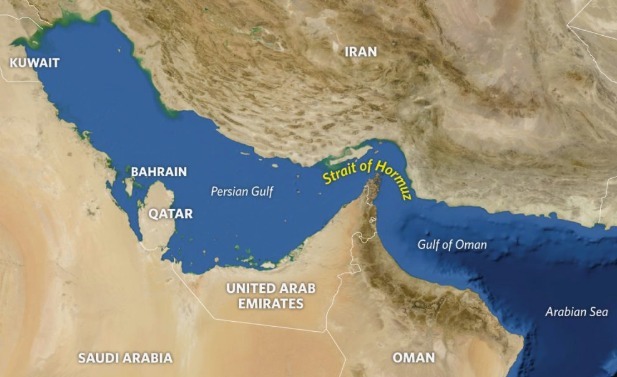
Trump says the U.S. is striking Iranian drone sites and seeking international help to secure the Strait of Hormuz, though details of any coalition remain uncertain.
Summary:
Trump said Iran wants negotiations but is not yet ready to engage.
The U.S. claims it is striking Iranian drone manufacturing facilities.
Washington is discussing Hormuz security arrangements with seven countries.
Trump is urging other nations to help protect the strategic shipping route.
Israel is working with the U.S. on efforts to secure the strait.
Details of any multinational naval mission remain unclear.
Oil futures edged lower after initially opening higher as traders assessed the situation.
U.S. President Donald Trump said Washington is continuing military operations against Iranian drone production while seeking international support to secure the Strait of Hormuz, though concrete details about any multinational effort remain unclear.
Speaking about the ongoing conflict with Iran, Trump said Tehran is seeking negotiations but suggested talks are unlikely to begin immediately.
“They want to negotiate badly, but I don’t think they’re ready,” he said.
Trump also said the United States has been targeting drone manufacturing facilities inside Iran as part of its military operations, though he did not provide details about the scale or timing of the strikes.
At the same time, the U.S. administration is attempting to assemble an international effort to secure maritime traffic through the Strait of Hormuz, a strategic chokepoint through which roughly one-fifth of global oil and liquefied natural gas shipments normally pass.
Trump said the United States is currently discussing security arrangements for the strait with seven countries and is pressing partners to contribute to protecting shipping lanes in the region.
“We are talking to seven countries about policing the Strait of Hormuz,” Trump said, adding that Washington is demanding greater participation from other nations that rely on the route for energy supplies.
He also said Israel is working alongside the United States on efforts aimed at securing the waterway.
However, it remains unclear whether a coordinated multinational naval operation is imminent or whether discussions are still at an early stage. In recent days, several U.S. allies have been cautious about committing military assets while the conflict continues and its objectives remain uncertain.
- There is a BIG BUT on this: US preparing multinational naval escorts for Strait of Hormuz
- EU weighs naval response as Trump's Strait of Hormuz disruption surges oil prices
Energy markets are watching developments closely, given the central role of the Strait of Hormuz in global oil supply. Crude prices initially surged on geopolitical concerns at the start of the week, but U.S. oil futures eased slightly in early trading as markets moved to close the opening gap higher, suggesting some investors remain cautious about the immediate supply impact.
For now, traders appear to be balancing escalating rhetoric and military activity against uncertainty over whether disruptions to shipping will persist or whether diplomatic efforts may eventually reduce tensions.