JPMorgan sees limited near-term oil impact from Venezuela shift, upside hinges on US engagement.
Summary:
JPMorgan sees limited near-term oil market impact
Venezuela transition largely priced by bond markets
Oil “quarantine” remains, but licensing could expand
Output could rise 250kbpd short term, more later
Global oil balance impact seen as incremental
JPMorgan expects the immediate impact of Venezuela’s political transition on global oil markets to be modest, while flagging meaningful upside to Venezuelan production over the medium term if US engagement and investment materialise.
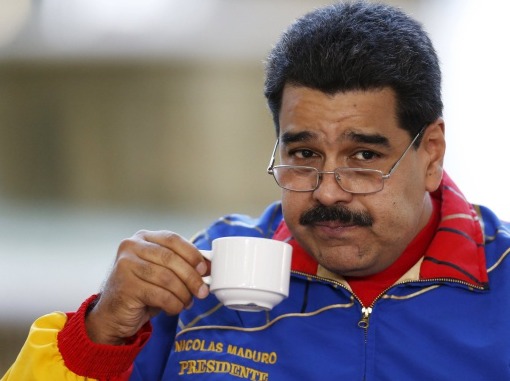
The bank notes that the departure of former president Nicolás Maduro had been increasingly priced by bond markets since the US military buildup began in August. However, the manner of the transition, described as a “surgical extraction” combined with Washington’s decision to work with elements of the existing Chavista state apparatus, represents a surprise that introduces both opportunity and execution risk.
If the current political framework proves durable, JPMorgan expects markets to pivot quickly toward US President Donald Trump’s stated ambition to revive Venezuela’s economy, with a particular emphasis on restoring oil production through US involvement. That focus places energy policy, sanctions enforcement and licensing decisions at the centre of the market narrative.
US Secretary of State Marco Rubio has said an oil “quarantine” remains in place, signalling that Venezuela is not yet back in the global supply system in a meaningful way. However, JPMorgan sees scope for next steps to include formal US recognition of the interim leadership alongside expanded operating licences for foreign oil companies — a development that would materially alter the production outlook.
From a supply perspective, JPMorgan’s commodities team estimates that Venezuelan output could rise by around 250,000 barrels per day in the short term from a 2025 average of roughly 950,000 bpd, assuming operational and political conditions improve. Over a two-year horizon, production could climb toward 1.3–1.4 million bpd, though the higher end of that range would require sustained foreign capital investment, technical expertise and stable governance.
Despite that upside, the bank stresses that Venezuela remains a relatively small player in the global oil balance for now. Even a meaningful recovery would be incremental in the context of worldwide supply, limiting near-term price implications.
JPMorgan draws a comparison with June 2025, when US strikes on Iranian centrifuges raised fears of a closure of the Strait of Hormuz, through which roughly 20–25% of global liquids consumption and seaborne oil trade flows. Despite the scale of that risk, oil market reaction was ultimately contained — underscoring how geopolitical shocks do not always translate into sustained price dislocations.
The bank concludes that Venezuela’s oil story is less about immediate disruption and more about medium-term optionality, with production upside contingent on policy clarity, sanctions relief and credible US-led investment.