Japan expands oil reserve releases and diversifies supply routes to mitigate Middle East disruption risks.
Summary:
- Japan to release an additional 20 days of oil reserves from May
- Follows earlier 50-day release initiated in March
- Total reserves remain substantial at ~230 days
- Tokyo aims to source over 50% of imports outside Hormuz routes
- Diversifying supply across US, Latin America, Africa, and Asia
- Prioritising fuel allocation to critical sectors
- Move highlights growing energy security concerns amid Middle East disruption
Japan is stepping up efforts to safeguard its energy security, announcing plans to release an additional 20 days’ worth of oil from strategic reserves as it seeks to offset risks stemming from the Middle East conflict.
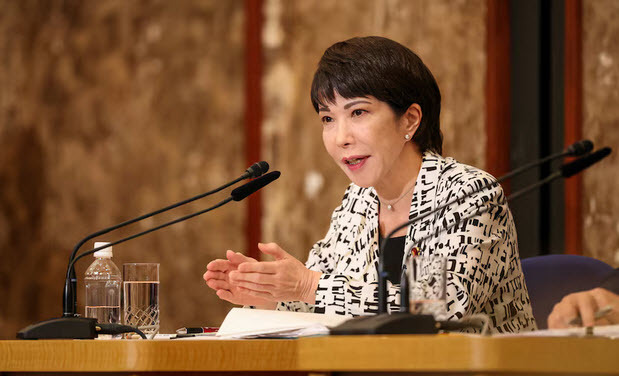
Prime Minister Sanae Takaichi said the extra release will begin in May, adding to the 50 days of reserves already being made available since mid-March. The move is designed to stabilise domestic supply conditions while the government accelerates efforts to diversify import routes away from the Strait of Hormuz, a key chokepoint that has been heavily disrupted during the conflict.
Despite the drawdown, Japan remains well-buffered. As of early April, the country held reserves equivalent to roughly 230 days of consumption, including a significant public stockpile. This provides policymakers with flexibility to manage short-term supply shocks without immediately compromising long-term energy security.
A central pillar of the strategy is reducing reliance on Hormuz-linked supply routes. By May, Japan expects to secure more than half of its oil imports via alternative pathways, including shipments routed through ports on the Red Sea and the UAE that bypass the strait. At the same time, Tokyo has broadened its supplier base, reaching out to producers across the United States, Southeast Asia, Central Asia, Latin America, and Africa.
The diversification push reflects Japan’s heavy dependence on Middle Eastern crude, which typically accounts for around 95% of imports. The current conflict has exposed the vulnerability of that concentration, particularly as disruptions to shipping flows and elevated insurance costs complicate logistics.
Domestically, the government is also taking steps to manage distribution. Suppliers have been asked to prioritise deliveries to critical sectors such as healthcare, transportation, agriculture, and fisheries, ensuring that essential services remain insulated from supply disruptions.
For markets, the significance of the move lies less in the immediate volume of oil released and more in what it signals. Japan is effectively shifting into energy-contingency mode, using reserves as a bridge while reconfiguring supply chains. This reinforces the broader narrative of tightening global energy logistics, even as countries with sufficient stockpiles attempt to cushion the impact.