
Israel struck a major Russia–Iran supply route in the Caspian Sea, targeting Bandar Anzali port and highlighting expanding conflict scope and deepening Moscow–Tehran cooperation.
The chatter is of a ceasefire, but there's a way to go until we get there:
- Oil falls on report of possible one-month ceasefire under Witkoff-Kushner plan
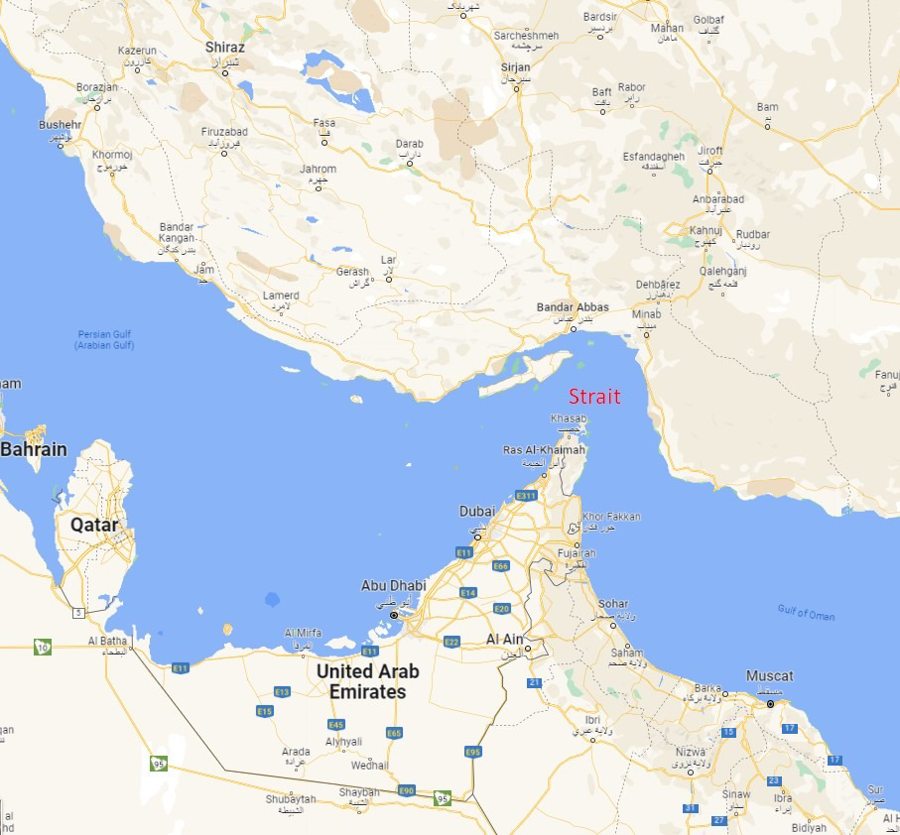
- US-Iran ceasefire proposal is complex, 15 points need to be agreed. Hormuz would open.
- Oil steady as US-Iran ceasefire talks face Israel uncertainty and broader Iran demands
Now this .... summary:
- Israel struck a key Russia–Iran weapons supply route in the Caspian Sea.
- The strike targeted Bandar Anzali, hitting naval and logistics infrastructure.
- Route used to move drones, ammunition, and sanctioned goods.
- Highlights deepening Russia–Iran military cooperation.
- Disruption likely temporary, but signals escalation and broader conflict reach.
Israel has expanded the geographic scope of the conflict, striking a key Russia–Iran supply route in the Caspian Sea, according to reporting from The Wall Street Journal (gated). The operation targeted Iran’s Bandar Anzali port, a critical logistics hub used by Moscow and Tehran to move weapons, drones and other goods.
The strike marked Israel’s first known attack in the Caspian — a region far removed from traditional theatres of the conflict and beyond the operational reach of Western naval forces. The waterway has become an increasingly important channel for cooperation between Russia and Iran, particularly since the war in Ukraine, allowing the two countries to transfer military equipment with limited external interference.
The route has been used extensively to move Iranian-made Shahed drones and other munitions, which have been deployed by both Russia in Ukraine and Iran across the Middle East. In addition to weapons transfers, the corridor has also facilitated trade in goods such as oil and wheat, blurring the line between civilian and military logistics.
Israeli strikes reportedly hit multiple targets at Bandar Anzali, including warships, port infrastructure and a command centre. The objective appears to have been to disrupt this supply chain and signal that Israel can target Iran’s military network well beyond its immediate region. The move also serves as a warning to Tehran regarding vulnerabilities in its maritime defences.
The attack underscores the growing alignment between Russia and Iran, with cooperation extending beyond arms transfers to include intelligence sharing and technological support. It also complicates the broader geopolitical picture, as Israel must balance its actions against the risk of escalating tensions with Moscow.
While analysts suggest the disruption to supply flows may only be temporary, with Russia and Iran likely able to reroute shipments through alternative ports, the strike represents a significant escalation. It broadens the conflict’s footprint and introduces new risks around trade flows and regional stability.
For markets, the key takeaway is the continued expansion of conflict risk into new regions and supply chains, reinforcing the underlying geopolitical premium embedded in energy and broader commodity markets.
While we were all looking further south!


