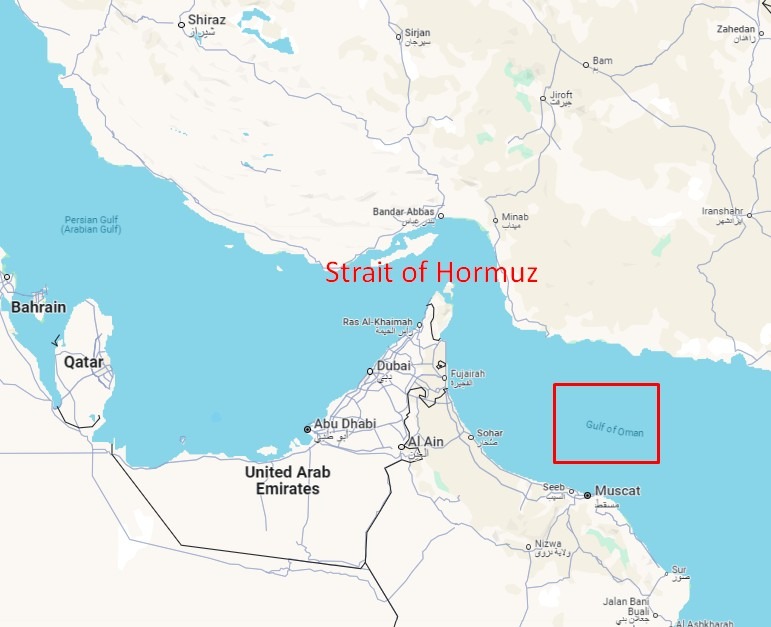
Iran says it has no intention of closing the Strait of Hormuz but insists it retains the right to secure the strategic waterway.
Summary:
Iran’s UN ambassador says Tehran does not intend to close the Strait of Hormuz.
Iran says it retains an “inherent right” to preserve security in the waterway.
Comments come amid rising tensions and attacks on shipping in the Gulf.
Hormuz remains a critical global energy chokepoint for oil and LNG flows.
Statement offers some reassurance but leaves uncertainty over future actions.
Iran signalled it does not intend to shut the Strait of Hormuz despite escalating tensions in the region, according to comments from Tehran’s ambassador to the United Nations.
Iran’s UN ambassador Amir Saeid Iravani said Tehran has no plans to close the strategic waterway, though he emphasised that the country reserves what it considers an inherent right to maintain security in the corridor.
“We are not going to close the Strait of Hormuz, but it is our inherent right to preserve peace and security in this waterway,” Iranian state media quoted Iravani as saying.
The remarks come as the Strait of Hormuz remains at the centre of global market attention amid the ongoing conflict involving Iran and heightened risks to shipping in the Gulf. The narrow passage is one of the world’s most important energy transit routes, handling a significant share of global crude and liquefied natural gas shipments.
While Tehran’s comments suggest it is not currently planning a formal closure of the strait, the statement also leaves open the possibility that Iran could take steps it frames as security measures in the waterway. Such actions could include increased naval patrols, inspections, or disruptions to commercial shipping.
The comments also contrast somewhat with recent incidents in the region, including attacks on oil tankers and cargo vessels that have disrupted shipping flows and heightened concerns about the security of the route. Those events have contributed to volatility in oil markets and raised fears that the conflict could escalate into a broader disruption of Gulf energy exports.
Global powers have been closely monitoring developments around the strait given its importance to energy markets. Roughly one-fifth of the world’s seaborne oil passes through the channel between Iran and Oman, making any threat to traffic a major risk for global supply.
Iran’s latest messaging may be aimed at signalling that it is not seeking a full blockade of the route, even as tensions remain elevated and the country continues to assert its influence over regional waterways.
For markets, the statement introduces a somewhat mixed signal: while Tehran denies plans to close Hormuz outright, the emphasis on its right to maintain security underscores that the strategic chokepoint will likely remain a key flashpoint as the conflict unfolds.