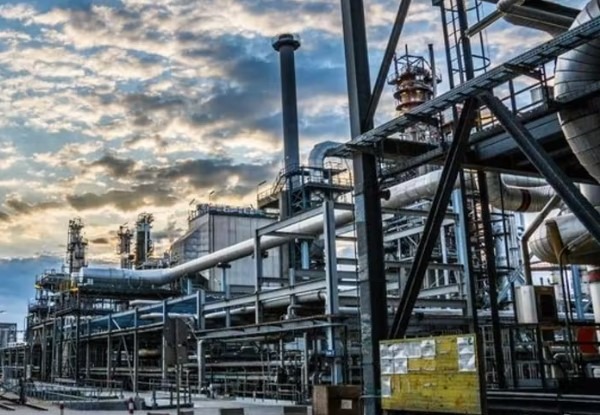
Australia is temporarily allowing higher sulphur fuel imports to safeguard supply as its heavy reliance on imported petroleum leaves the country exposed to global energy disruptions.
Summary:
Australia is temporarily allowing higher sulphur fuel imports to ensure adequate supply.
The policy allows fuel from more global refineries to enter the market during disruptions.
Australia imports around 85–90% of its refined fuel.
Only two domestic refineries remain operational: Geelong and Brisbane.
Fuel imports travel through major shipping chokepoints including Hormuz and Malacca.
Australia historically maintained relatively low fuel stockpiles.
The economy is highly dependent on diesel for mining, transport and agriculture.
Temporary standard waivers are used to prevent shortages and stabilise fuel prices.
Australia’s decision to temporarily allow higher sulphur levels in fuel highlights the country’s structural vulnerability to global fuel supply disruptions and its heavy reliance on imported petroleum products.
Authorities are allowing the temporary relaxation of fuel quality standards to ensure adequate supply after disruptions to global energy markets increased the risk of shortages. The measure allows fuel with slightly higher sulphur content than normally permitted to enter the Australian market, enabling imports from a wider range of refineries.
The move reflects the reality that Australia relies overwhelmingly on imported refined fuels. Around 85–90% of petrol, diesel and jet fuel consumed domestically is sourced from overseas refineries, primarily in Singapore, South Korea, Japan and Malaysia.
This reliance has grown over time as domestic refining capacity has declined. Australia once operated eight oil refineries but today only two remain operational, the Geelong refinery in Victoria and the Lytton refinery in Queensland. The closures have left the country heavily dependent on international supply chains for refined fuel.
Australia’s geographic location further complicates energy security. Fuel shipments must travel long distances across the Indian Ocean or through Southeast Asian shipping routes before reaching Australian ports. These routes pass through several critical maritime chokepoints, including the Strait of Hormuz, the Strait of Malacca and key shipping lanes in the South China Sea.
When geopolitical tensions or shipping disruptions threaten these corridors, fuel deliveries can be delayed or reduced. In such situations, relaxing fuel quality specifications allows Australia to access a broader range of international fuel supplies more quickly.
Another challenge is the country’s historically limited fuel stockpiles. For many years Australia fell short of the International Energy Agency requirement to maintain emergency reserves equal to at least 90 days of net imports. The government has since taken steps to improve resilience by expanding domestic storage capacity and arranging for strategic crude storage in the United States.
Australia’s economy is also particularly sensitive to diesel supply disruptions. Diesel is essential for sectors such as mining, freight transport, agriculture and construction, meaning shortages can quickly ripple through the broader economy.
Because Australia is geographically isolated and lacks pipeline connections to neighbouring countries, virtually all petroleum products must arrive by sea. This makes the country especially exposed to global shipping disruptions.
Allowing temporarily higher sulphur fuel is therefore a short-term measure designed to protect supply security and prevent price spikes while global energy markets remain volatile.