Sterling is firmer into Thursday’s BoE decision as stronger UK data nudges markets to delay rate-cut bets, with the vote split and guidance the key tells.
Summary:
Sterling firmed to a five-month high vs the euro as markets lean toward a BoE hold
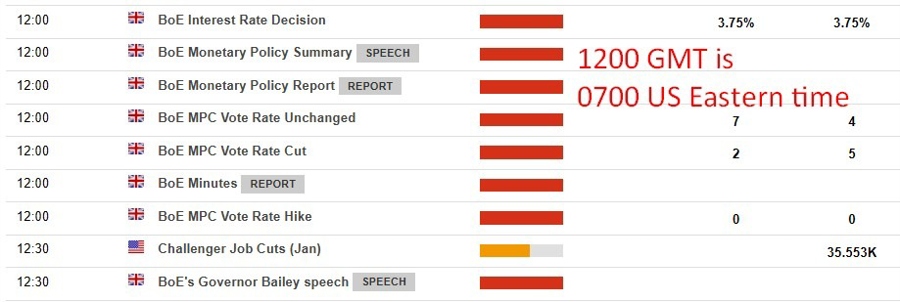
BoE is widely expected to keep Bank Rate unchanged at 3.75%
Stronger UK data has pushed back near-term cut expectations
Key watchpoints: vote split, guidance language, and how sticky inflation/wages are framed
Markets are still pricing further easing later in 2026, but timing is increasingly disputed
Sterling strengthened to its firmest level in five months against the euro ahead of Thursday’s Bank of England decision, as investors increasingly expect policymakers to keep rates on hold and adopt a cautious tone on the timing of any further easing.
The BoE is widely expected to leave Bank Rate unchanged at 3.75%, maintaining a wait-and-see stance after a narrow cut late last year. While recent UK data have suggested the economy has regained some momentum, policymakers remain wary of declaring victory over inflation, which has stayed uncomfortably above target and remains sensitive to wage dynamics.
MUFG’s Lee Hardman said the improving run of activity data has encouraged markets to push back expectations for the next rate cut, arguing that without an immediate catalyst to ease further, the BoE is likely to remain cautious at the start of the year. The repricing has helped underpin the pound, with EUR/GBP sliding.
For traders, the meeting is less about the decision itself and more about the shape of the debate inside the Monetary Policy Committee. After December’s close vote, investors will scrutinise the split for signs of whether the centre of gravity is moving toward patience or renewed easing. Reuters polling has pointed to a hold as the base case, with economists divided on how soon the next cut could arrive.
Guidance will matter too. A steady “restrictive as needed” posture would reinforce the market’s pushback of cuts, while any stronger acknowledgement of cooling pressures could pull forward easing expectations. In the background, choppy global markets and a softer US dollar add another layer to the FX story, but the BoE’s immediate focus remains domestic inflation persistence and labour-market signals.