The People's Bank of China (PBOC), China's central bank, is responsible for setting the daily midpoint of the yuan (also known as renminbi or RMB). The PBOC follows a managed floating exchange rate system that allows the value of the yuan to fluctuate within a certain range, called a "band," around a central reference rate, or "midpoint." It's currently at +/- 2%.
The previous close was 6.9866
People's Bank of China injects 16.2bn yuan via 7-day reverse repos in open market operations, rate remains 1.4%.
- after maturities today the net drain is 296.3bn yuan
ps. News crossing that Tesla China is offering 5 year interest free loans for Model 3 / Y /L purchases
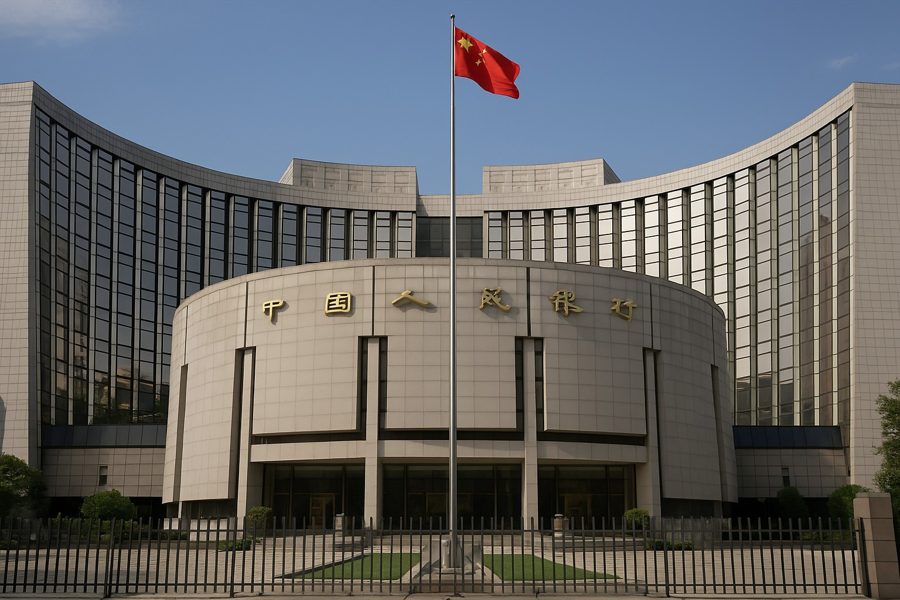
The daily fixing of this mid-rate is often interpreted as a policy signal rather than just a technical reference point. A higher-than-expected USD/CNY midpoint is typically read as a sign the PBOC is leaning against CNY appreciation pressure, like today. In recent months, the People’s Bank of China has taken deliberate steps to moderate the speed of appreciation in the onshore yuan, signalling a preference for stability over sharp currency gains. Rather than targeting a specific level, policymakers appear focused on preventing an overly rapid rise in CNY that could disrupt trade, capital flows and domestic financial conditions. Yesterday USD/CNY fell below 7.0 for the first time since May 2023. The PBoC is slowing the appreciation of the yuan, but hasn't stopped it.
Earlier:
- ICYMI: China front-loads 2026 growth with US$42bn infrastructure project rollout
Summary:
China unveiled an early batch of 2026 infrastructure projects worth ~295 bn yuan
Funds target transport, water, energy and security-related projects
Spending aims to front-load investment ahead of the 15th Five-Year Plan
Ecological protection and carbon reduction also receive funding
Infrastructure remains central to China’s growth-stabilisation strategy