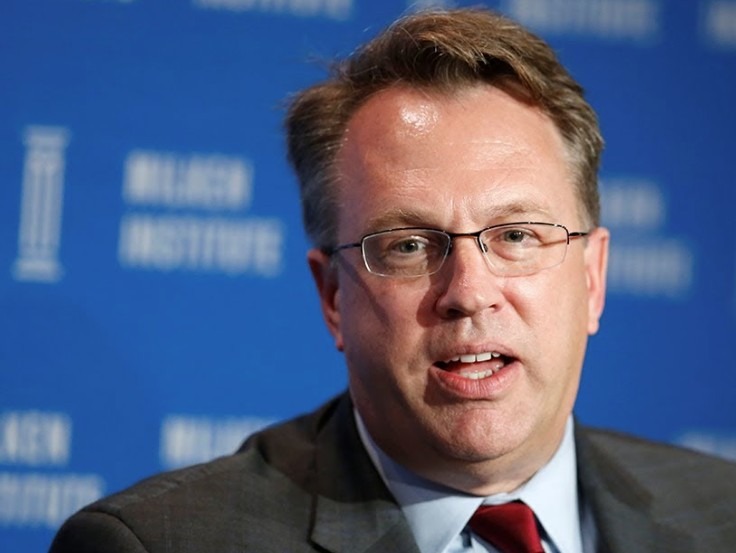
The New York Fed Pres. Williams is speaking and says:
Very supportive” of the U.S. central bank’s decision to cut interest rates last week
Expects coming job data will show gradual cooling
Too early to say what the Fed will need to do in January
Strong markets are part of the reason why the economy will grow robustly in 2026
Market valuations are elevated, but there are reasons for current pricing
What constitutes ample reserves will change over time
Some signs that parts of the underlying economy are not as strong as GDP data suggests
Ample reserves system is working very well
Financial system is basically at an ample-reserves level
Overall policy takeaway:
Bias is mildly dovish and balanced. Williams clearly supports the recent rate cut and points to gradual labor-market cooling and pockets of underlying economic softness.
At the same time, his comments on strong markets and robust growth expectations for 2026 keep the message firmly data-dependent rather than strongly dovish.
Earlier today, WIlliam's said that policy is well positioned for what lies ahead, as risks to the labor market have risen while risks to inflation have eased. He characterized tariffs as a one-off price adjustment that should not spill over into broader inflation and said uncertainty around tariffs has declined notably. Williams expects inflation to ease to 2.5% in 2026 and reach 2% in 2027, while projecting GDP growth of about 2.25% in 2026, well above the pace expected for 2025.
On the labor side, he sees gradual cooling, but also projects the unemployment rate will decline over the next few years, framing the Fed’s baseline outlook as “a pretty good outcome.” He noted that Fed policy has moved closer to neutral from a modestly restrictive stance, though inflation remains too high, suggesting no strong signal for imminent action even as markets price some chance of a January rate cut and multiple cuts in 2026.