Iran war-driven energy surge sparks fresh rate hike bets across Europe. Via Reuters reporting.
Summary:
The war involving Iran has pushed crude prices above $119 a barrel, triggering renewed fears of another global inflation shock.
Markets have increased bets that several European central banks may need to raise interest rates later this year.
The European Central Bank, Swiss National Bank and Sweden’s Riksbank are now seen tightening policy, while the Bank of England could follow later.
The surge in energy prices has revived memories of the delayed policy response to the 2022 inflation shock following Russia’s invasion of Ukraine.
Policymakers face a dilemma between looking through temporary energy shocks or acting early to prevent inflation spreading across the economy.
Some analysts warn markets may be overreacting, noting that currency strength and position adjustments are also driving the repricing.
Rising energy prices triggered by the war involving Iran are reshaping expectations for global monetary policy, with investors increasingly betting that central banks in Europe may need to raise interest rates again to prevent a fresh wave of inflation.
The shift in expectations accelerated after crude oil prices surged above $119 a barrel, their highest level since 2022, as supply disruptions and fears of prolonged shipping problems in the Middle East unsettled energy markets.
(Note, they have since fallen on this:
But Trump did backtrack:
)
The jump in prices has revived concerns that the conflict could generate another inflationary shock similar to the one that followed Russia’s invasion of Ukraine. At that time, many central banks were criticised for reacting too slowly as soaring energy costs fed rapidly into consumer prices across Europe.
Money markets are now pricing in the possibility that the European Central Bank could raise interest rates later this year, potentially delivering one increase by mid-year and another before the end of 2026 if inflation pressures intensify. Sweden’s Riksbank is also expected to tighten policy during the autumn, while the Swiss National Bank is seen moving later in the year. The Bank of England is currently expected to join the cycle further out, potentially in 2027.
Although no immediate policy changes are anticipated at upcoming central bank meetings, the rapid shift in market pricing highlights growing concern that the conflict could push inflation higher again.
Higher energy prices tend to ripple across the economy by lifting transport, manufacturing and household costs. If oil and gas prices remain elevated for an extended period, inflation in the euro area could increase by roughly one percentage point, with the United Kingdom facing similar pressures.
For policymakers, the situation presents a difficult balancing act. Traditionally, central banks have looked through temporary energy price shocks because tightening monetary policy cannot directly address supply disruptions. However, the experience of the 2022 energy crisis has made officials more cautious about allowing price pressures to become embedded in wages and broader inflation.
At the same time, some economists argue markets may be moving too quickly in anticipating rate hikes. Part of the repricing reflects investors unwinding earlier bets on interest rate cuts and adding defensive positions as geopolitical tensions intensify.
For now, the trajectory of energy prices remains the critical factor shaping monetary policy expectations. If oil prices remain elevated and begin to feed into broader inflation measures, central banks may face mounting pressure to tighten policy sooner than previously expected.
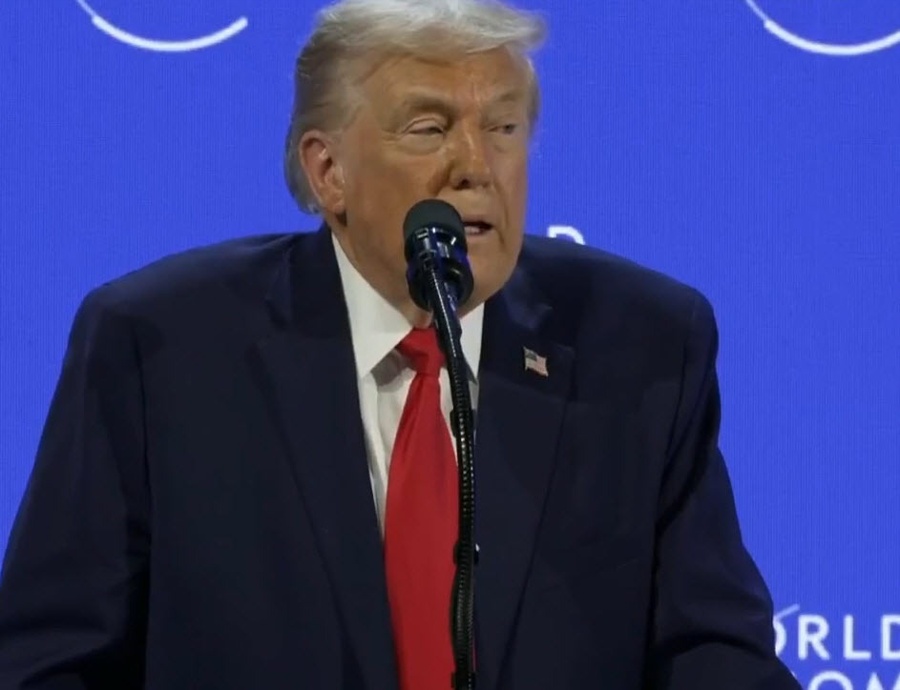
Trump's 'war could be over very soon' comments was aimed at hitting oil and resuscitating stocks.